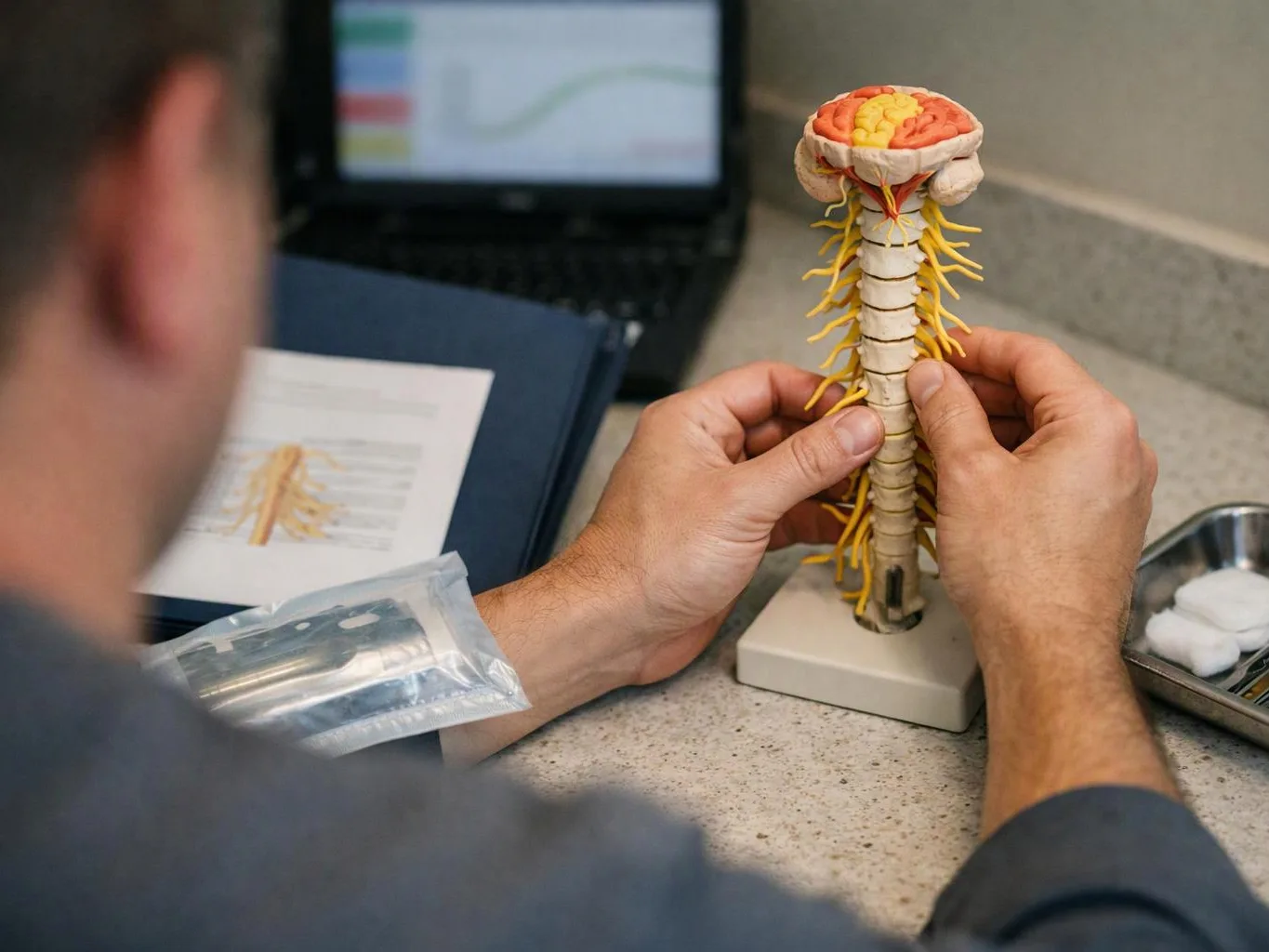
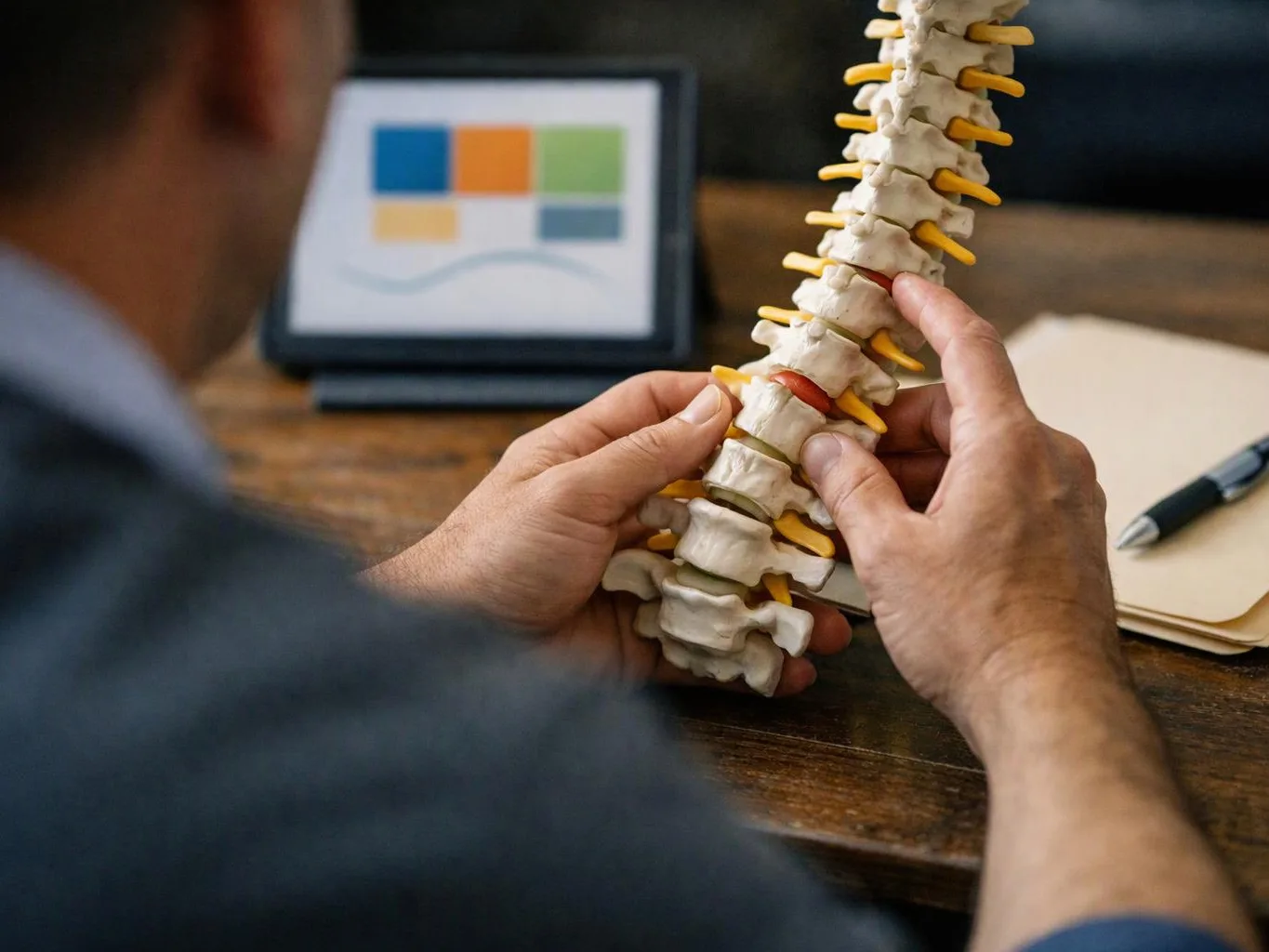
Headache Evaluation and the Role of Occipital Nerve Blocks
Headache treatment starts with a review of symptoms, medical history, and possible causes. Occipital nerve blocks may support treatment for selected headache patterns, and Premier Injury Specialists uses evaluation findings to guide care.
Request an Estimate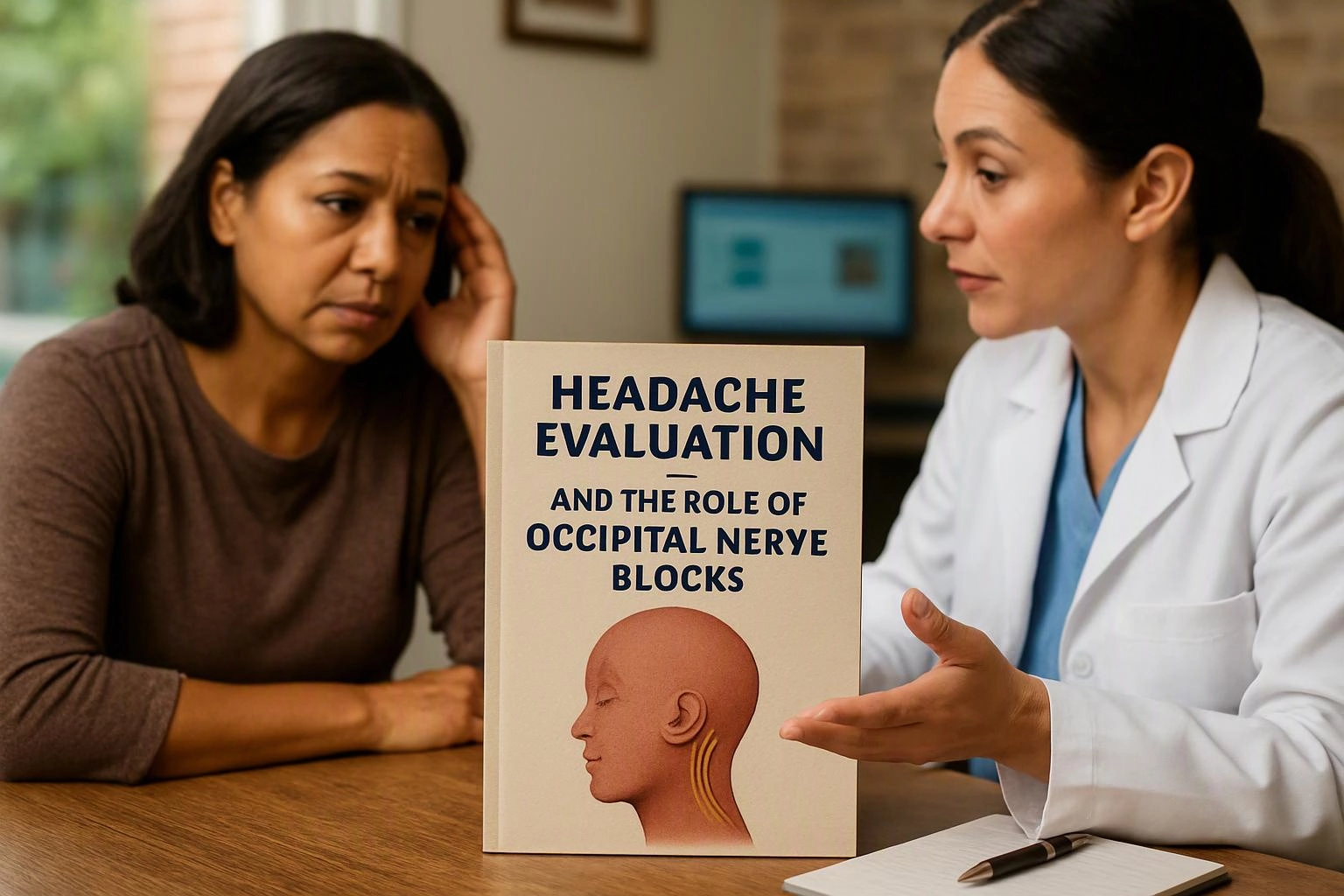
How Pain Specialists Evaluate Headache Pain
Headache evaluation reviews the pain pattern, related symptoms, medical history, and warning signs before treatment is selected.
We ask about your headache history, including when pain began and how it changes. We also review pain location, triggers, and symptoms such as nausea, light sensitivity, or neck pain.
Our team checks for neurologic symptoms and health conditions that may affect treatment. These findings help us decide whether headache care, migraine treatment, or further testing fits your needs.
For a broader view of pain testing, our guide on How Pain Specialists Use Exams, Imaging, and Diagnostic Tests explains how clinical findings can shape care.
What Is an Occipital Nerve Block?
An occipital nerve block is an injection near an occipital nerve that can help assess or reduce pain from selected headache patterns.
The greater occipital nerve and lesser occipital nerve carry sensation from parts of the upper neck and back of the scalp. Irritation or sensitivity in these nerves may contribute to some headaches.
The injection may contain a local anesthetic, a corticosteroid, or both. We choose the treatment based on your symptoms, medical history, and goals.
When Headache Treatment and Occipital Nerve Blocks Work Together
Headache treatment and occipital nerve blocks work together when an evaluation links the headache pattern to pain involving the occipital nerves.
These services may be considered together in situations such as:
Our Headache Treatment service uses evaluation findings to support clear treatment planning. A nerve block may also provide information about how the nerves affect your symptoms.
How Evaluation and Nerve Blocks Fit Into Treatment
Evaluation guides treatment selection and helps determine whether an occipital nerve block fits the headache pattern. Follow-up helps guide the next treatment decision.
Our approach connects the examination, injection planning, and follow-up assessment. This keeps treatment decisions tied to your actual headache symptoms.
What Symptoms Should You Discuss With a Pain Specialist?
Headache symptoms to discuss include the location, timing, triggers, related symptoms, and changes in your pain.
Tell us whether pain feels sharp, throbbing, burning, tight, or pressure-like. Explain where it starts and whether it moves from the neck or scalp.
Also mention light sensitivity, nausea, neck pain, scalp tenderness, and headache frequency. A clear record of triggers and changes can improve treatment planning.
What Are the Benefits and Risks of an Occipital Nerve Block?
An occipital nerve block may provide pain relief or useful diagnostic information, while risks include injection-site problems and medication reactions.
Potential benefits include reduced pain and better information about nerve irritation. The treatment response may help us decide what care should come next.
Injection risks can include temporary soreness, bleeding, infection, or a medication reaction. We review your health history and explain these risks before treatment.
What Happens Before and After the Injection?
The injection process includes medical screening, treatment planning, the nerve block, and follow-up guidance.
Follow-up care helps us understand your treatment response. Contact our team if new or concerning symptoms develop after the injection.
When Should Headache Symptoms Receive Urgent Medical Attention?
A sudden or unusually severe headache with new neurologic symptoms needs urgent medical evaluation.
Seek urgent care for confusion, fainting, vision changes, fever, or a headache after a head injury. These warning signs can require rapid assessment beyond routine headache treatment.
We can help evaluate ongoing headache concerns, but urgent symptoms should receive immediate medical attention.
Plan Your Headache Evaluation With Premier Injury Specialists
Premier Injury Specialists reviews your headache symptoms and discusses whether headache treatment or an occipital nerve block fits your needs.
We connect headache evaluation, migraine treatment, injection planning, and follow-up care when these services support your goals. Our team offers Free Consultations so you can discuss your symptoms and treatment options.
Contact Premier Injury Specialists to plan your evaluation.
Questions About Headache Evaluation and Nerve Blocks
Can an occipital nerve block help migraine symptoms?
Premier Injury Specialists may consider an occipital nerve block for migraine symptoms when the evaluation suggests occipital nerve sensitivity or related scalp pain.
How do I prepare for a headache evaluation?
Headache evaluation preparation includes bringing your medication list and noting pain timing, triggers, location, and related symptoms.
What should I tell the pain specialist about my headaches?
Tell the pain specialist when your headaches began, where pain starts, what triggers it, and whether you have nausea, light sensitivity, neck pain, or scalp tenderness.
Can headache pain return after an occipital nerve block?
Yes, headache pain can return after an occipital nerve block, so follow-up helps guide the next stage of treatment.