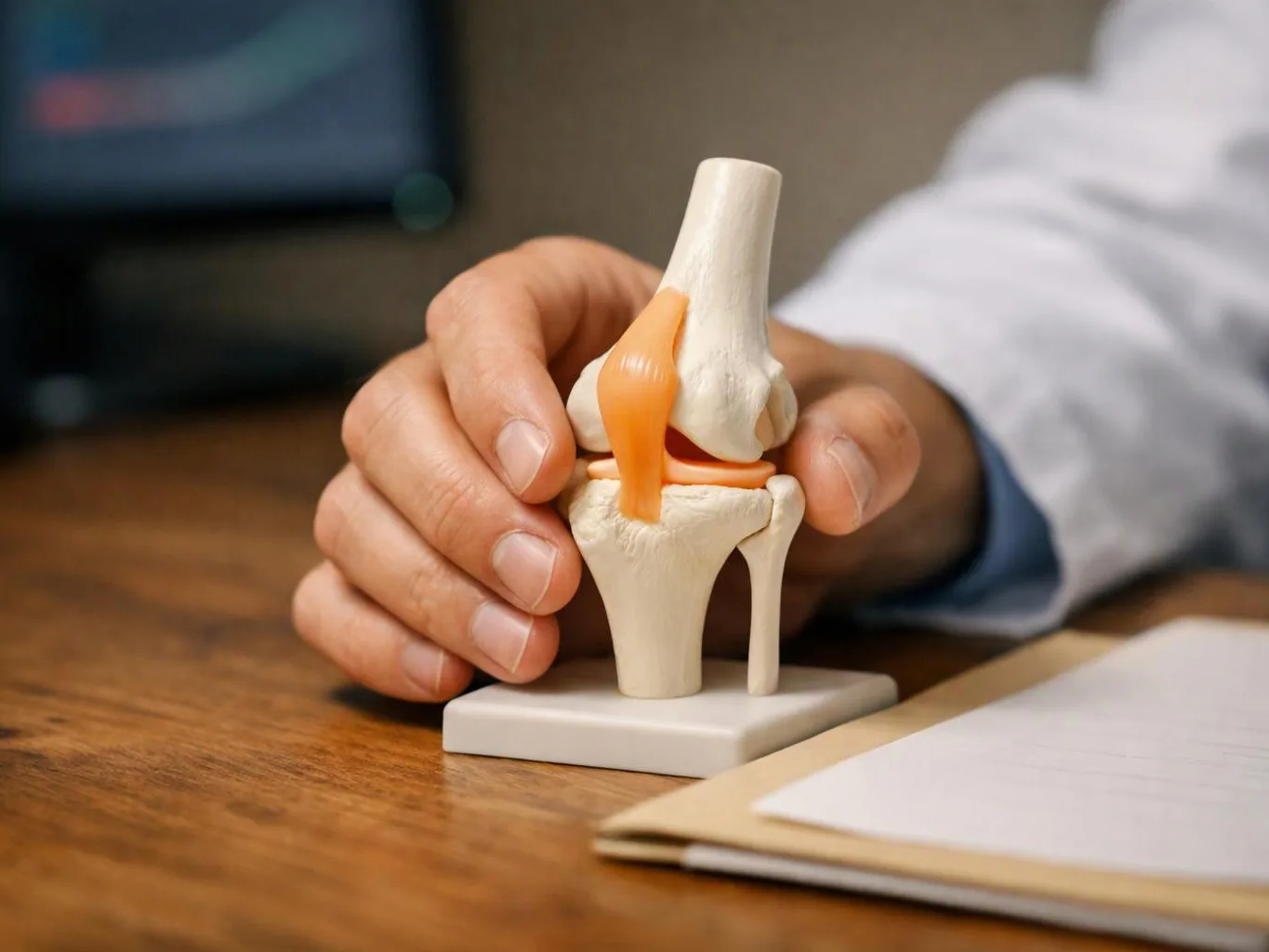
For Fibromyalgia Treatment, which treatments can help manage fibromyalgia symptoms?
Medication management, gentle exercise, sleep therapy, stress reduction, and cognitive therapy may help manage fibromyalgia symptoms. Premier Injury Specialists also evaluates collision-related neck, back, nerve, and soft-tissue injuries. Interventional care may include injections or nerve blocks when findings support them. The plan follows the examination and the patient’s current medicines, function, and goals.
How does the first appointment address widespread pain?
The first appointment connects widespread pain with sleep, fatigue, daily function, and injuries from the collision. We review the symptom history and current medicines, then examine painful areas and related nerves or joints. The discussion may include gentle movement, sleep care, stress reduction, cognitive therapy, or an interventional option.
What should I bring to a fibromyalgia consultation?
A medicine list, medical records, imaging reports, and collision details help us assess the condition. Bring the names and doses of current medicines, if available, plus information about prior treatment. Attorney or MedPay documents may also help with record keeping. Patients can ask questions about the findings and proposed plan during the consultation.
Can I receive an evaluation without a referral for Fibromyalgia Treatment?
Yes, patients can often schedule an evaluation without a referral. The intake records the collision, symptoms, current medicines, and treatment history before the visit. We then decide whether focused collision-injury care fits the situation. Attorneys may also refer clients and coordinate documentation directly with our practice.
Why might injections be discussed for fibromyalgia-related pain?
Injections may be discussed when the examination identifies a separate painful joint, nerve, or spinal pain source. Fibromyalgia treatment itself does not make every procedure appropriate. We may consider epidural steroid injections, facet joint injections, nerve blocks, or joint injections when the findings support them. Individual results vary, and the provider explains risks before treatment.
Which part of care changes the final cost?
The evaluation findings and selected treatment change the final cost. A consultation alone differs from care that includes procedures, follow-up, or detailed documentation. Billing may involve MedPay or an attorney lien when applicable. We explain the recommended services and billing path during the consultation, and free consultations are available.
When should pain after a crash receive urgent medical attention?
New weakness, loss of bladder or bowel control, chest pain, severe breathing trouble, or sudden confusion needs urgent medical attention. These signs can point to a serious condition beyond routine pain care. Call emergency services for an immediate threat. Our practice evaluates collision injuries, but it does not replace emergency care.