
What Is Neuropathic Pain?
Neuropathic Pain is pain caused by damage, irritation, or abnormal signaling in the nerves that carry messages between the body and brain. It may feel burning, tingling, electric, shooting, or numb. Symptoms can continue after an injury heals, and light touch may feel painful in the affected area.
Quick Facts About Neuropathic Pain
Category
Nerve-related pain
Used for
Describing nerve pain symptoms
Common confusion
Often confused with nociceptive pain
Also called
Nerve pain
Often discussed with
Neuropathy Treatment
Key Takeaways About Neuropathic Pain
- Nerve signals, not only injured tissue, drive this pain.
- Symptoms may include burning, tingling, numbness, or shocks.
- Neuropathic pain differs from pain caused by tissue damage alone.
How Neuropathic Pain Works
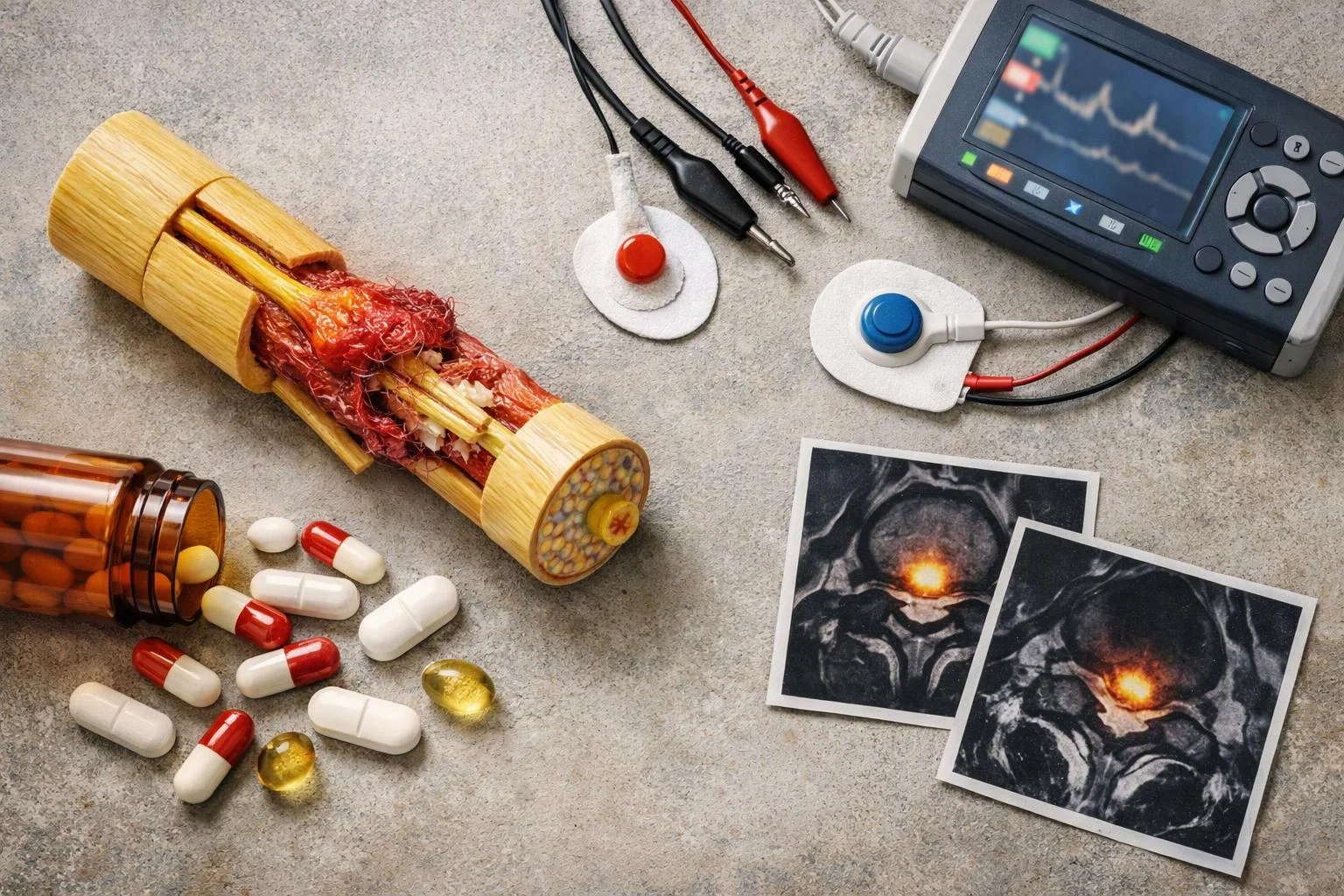
Neuropathic pain works through changed nerve signals between the body and brain. Injured nerves may send pain messages without a new injury. The nervous system may also respond too strongly to normal touch or pressure.
Related glossary terms: Paresthesia, Lumbar Radiculopathy, Cervical Radiculopathy.
Clinicians assess the pain's location, quality, and pattern. A burning feeling along with tingling or numbness can suggest nerve involvement. A nerve conduction study or other testing may help connect symptoms with nerve function when the cause is unclear.
Nerve pain may follow an injury, surgery, disease, or pressure on a nerve. The symptoms can stay in one area or follow a path, such as down an arm or leg.
From the Premier Injury Specialists team
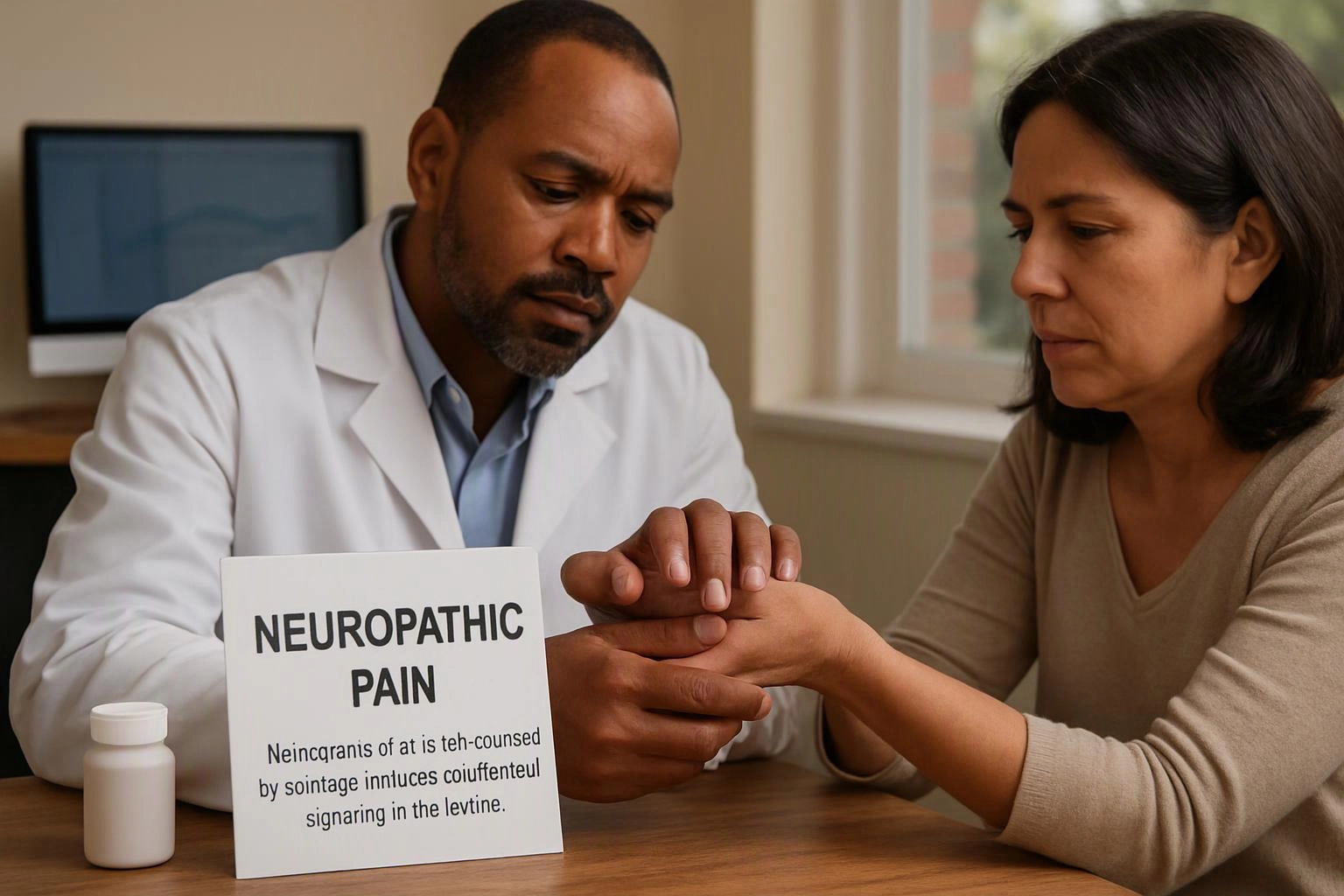
When we assess neuropathic pain, we review the symptom pattern, affected body area, injury history, and available records. We also check whether the symptoms follow a nerve path or appear with numbness and tingling. That review helps our team connect the complaint with the right neuropathy treatment plan.
Neuropathic Pain in Practice: A Real-World Example
A person develops burning pain and tingling down one leg after a back injury. The symptoms follow a nerve path, so the complaint may fit neuropathic pain more closely than soreness in the back muscles.
Related Services
Related Terms
Paresthesia
Paresthesia is an unusual skin sensation, such as tingling, prickling, burning, numbness, or a feeling of…
Lumbar Radiculopathy
Lumbar Radiculopathy is a nerve-related condition in the lower back that affects a nerve root near…
Cervical Radiculopathy
Cervical Radiculopathy is a condition that develops when a nerve root in the neck becomes irritated…
Nociceptive Pain
Nociceptive pain is pain caused by actual or potential damage to body tissues. Specialized nerve endings…
Premier Injury Specialists
Have Questions About Neuropathic Pain?
Contact Premier Injury Specialists for practical guidance on Neuropathic Pain and related pain management physician work in McDonough.