How are diagnostic findings documented for treatment after a crash?
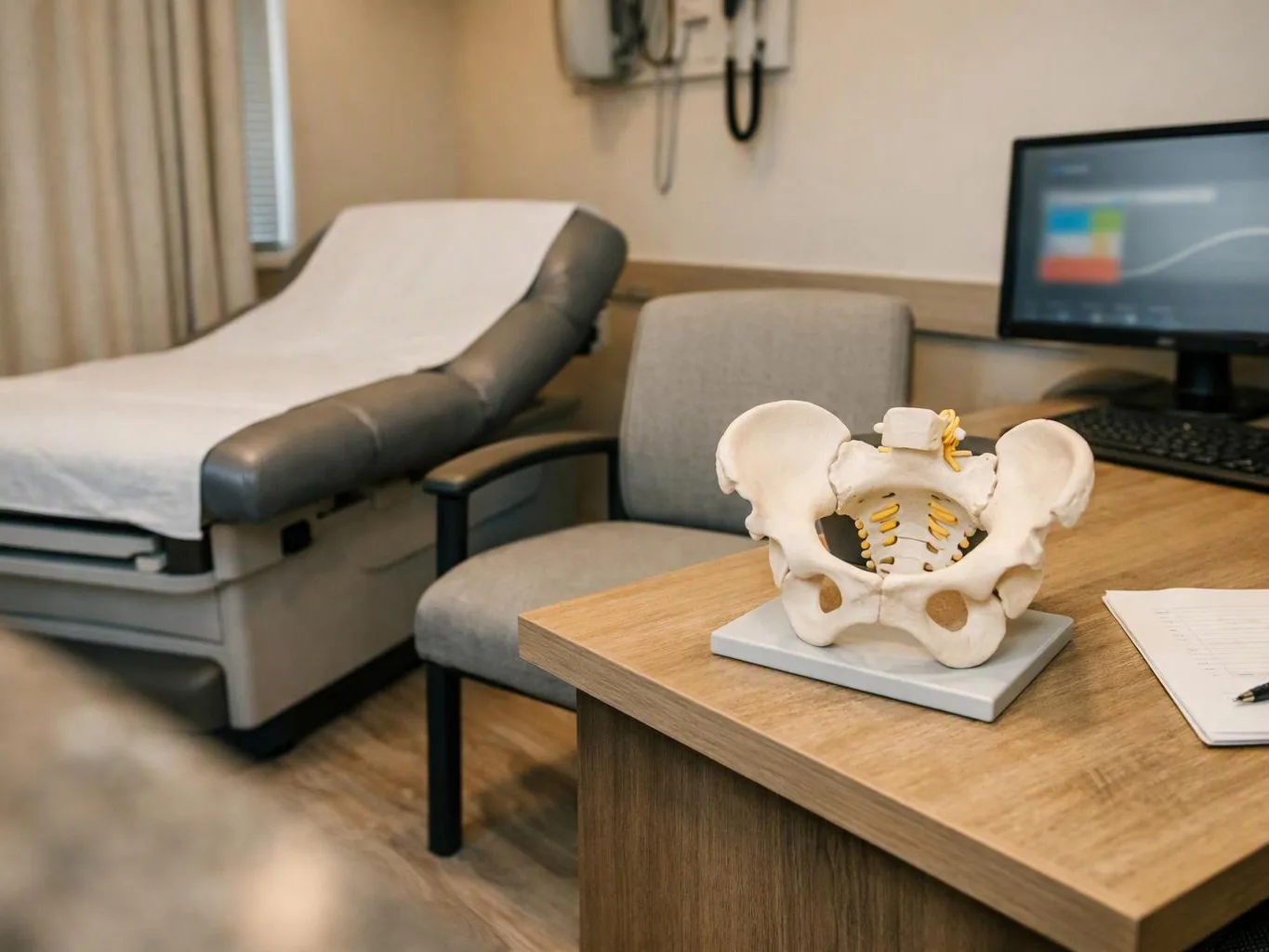
Diagnostic findings are documented through the history, physical exam, symptom pattern, and functional limits. Premier Injury Specialists records the injury timeline, reported pain, nerve symptoms, movement limits, and exam results. Available imaging and prior treatment notes add context. The record then supports a treatment plan and future follow-up decisions.
What records should I bring to the first visit for Auto Accident Injury Evaluation?
Medical records, imaging reports, medication details, and prior treatment notes help the first visit. Bring any documents from emergency care, primary care, or another clinic. A written symptom timeline also helps. Our team compares those records with the current exam and adds findings that affect treatment planning.
Which symptoms need prompt medical attention after a collision?
New weakness, spreading numbness, severe headache, or loss of coordination needs prompt medical attention. Those signs can signal a problem that requires timely assessment. Call emergency services for severe or life-threatening symptoms. Our practice evaluates collision-related pain and explains the next medical step when the situation is appropriate for outpatient care.
Can I request an evaluation without a referral for Auto Accident Injury Evaluation?
Most patients can schedule an evaluation without a referral. The intake team gathers the crash history, symptoms, and available records before the visit. Referral requirements can depend on the patient’s health plan or care arrangement. Patients should share those details when requesting a consultation so the office can explain the next step.
What changes the cost of treatment after the evaluation?
The treatment plan, procedure type, records needed, and billing method affect the cost. MedPay or an attorney lien may be used for treatment billing discussions. Free consultations are available as an owner-provided offer. Our practice explains the care being considered and how to request a more specific billing discussion.
When might an injection be discussed for crash-related pain?
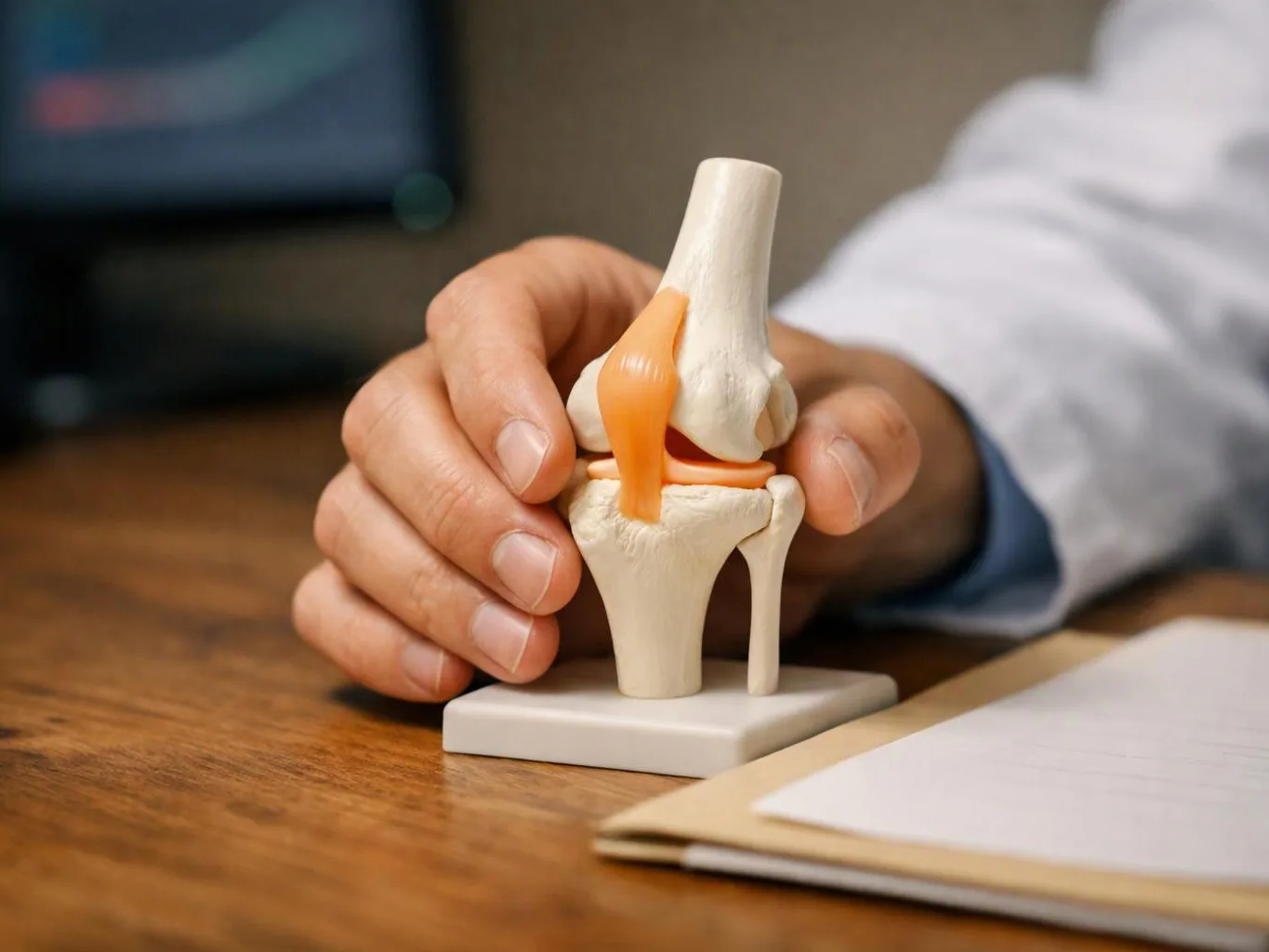
An injection may be discussed when the exam and symptom pattern point to a joint, nerve, or spinal pain source. Options can include an epidural steroid injection, facet joint injection, or nerve block. Our physicians review the findings and explain expected risks, alternatives, and follow-up before any procedure is considered.
Does the practice document limits on work and daily activity?
Functional limitations are documented when pain or nerve symptoms affect work, sleep, lifting, driving, or other daily tasks. Patients should describe specific activities that changed after the crash. We record those limits with the clinical findings, so the treatment record reflects both the symptoms and their effect on daily life.