When should I schedule an evaluation after an auto accident for Auto Accident Injury Evaluation?
Imaging studies should be discussed when symptoms persist, worsen, or match findings that need closer review. Delayed neck pain, back pain, headaches, numbness, or weakness still matters. Premier Injury Specialists reviews the crash history, physical findings, and medical history before discussing imaging or treatment. Seek emergency care for severe weakness or loss of bladder or bowel control.
What does a pain management physician treat after a crash?
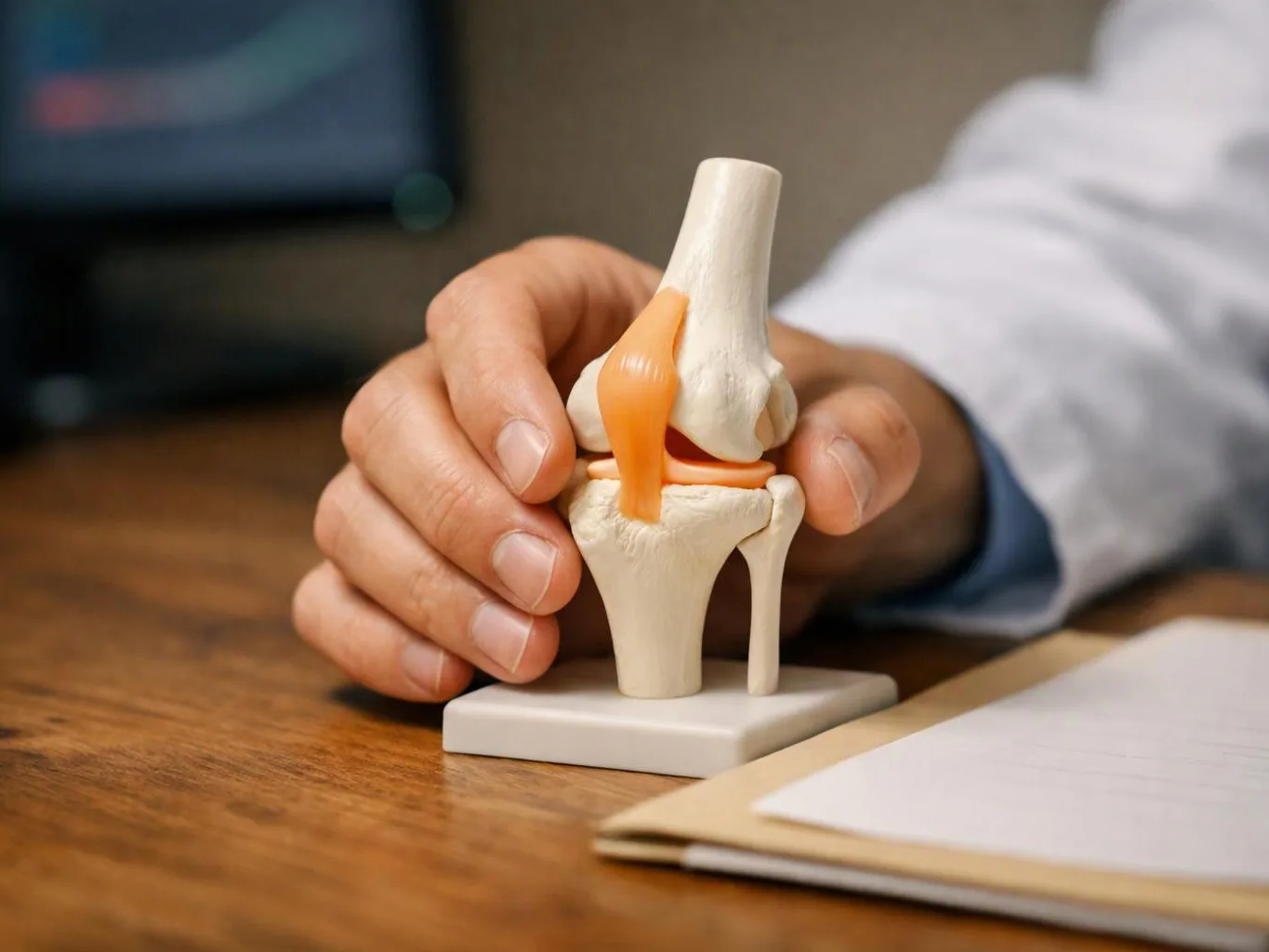
A pain management physician treats crash-related conditions such as whiplash, herniated discs, sciatica, radiculopathy, headaches, and soft-tissue injuries. The evaluation connects symptoms with exam findings and medical history. Treatment discussions may include epidural steroid injections, facet joint injections, nerve blocks, radiofrequency ablation, or joint injections when clinically appropriate.
Do I need an MRI before the first appointment for Auto Accident Injury Evaluation?
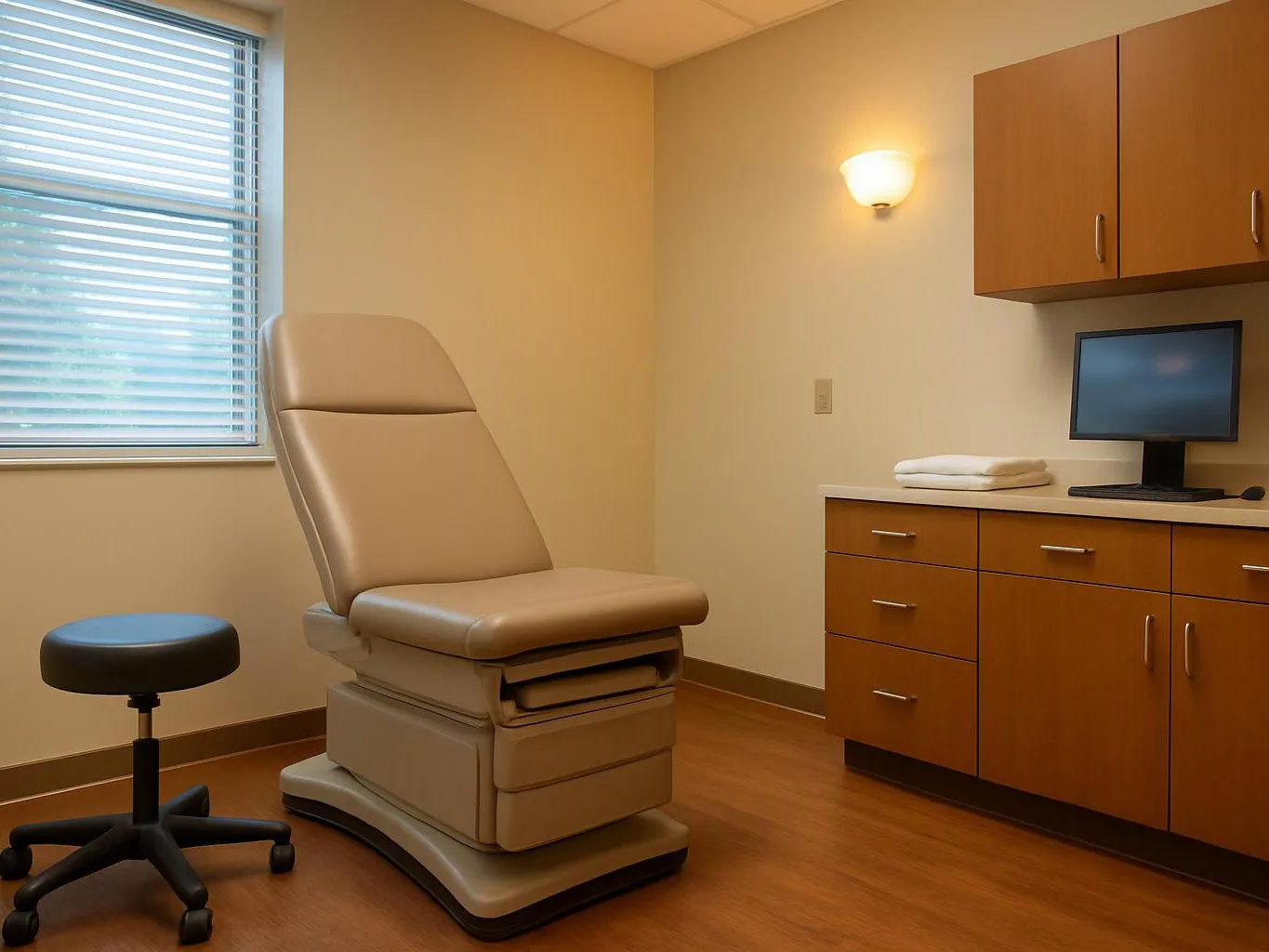
An MRI isn't required before the first appointment in most cases. The initial evaluation reviews symptoms, movement, strength, sensation, prior records, and medical history. Our team then discusses whether imaging or another form of assessment fits the findings. Bring existing reports if you have them, but don't delay care while searching for old records.
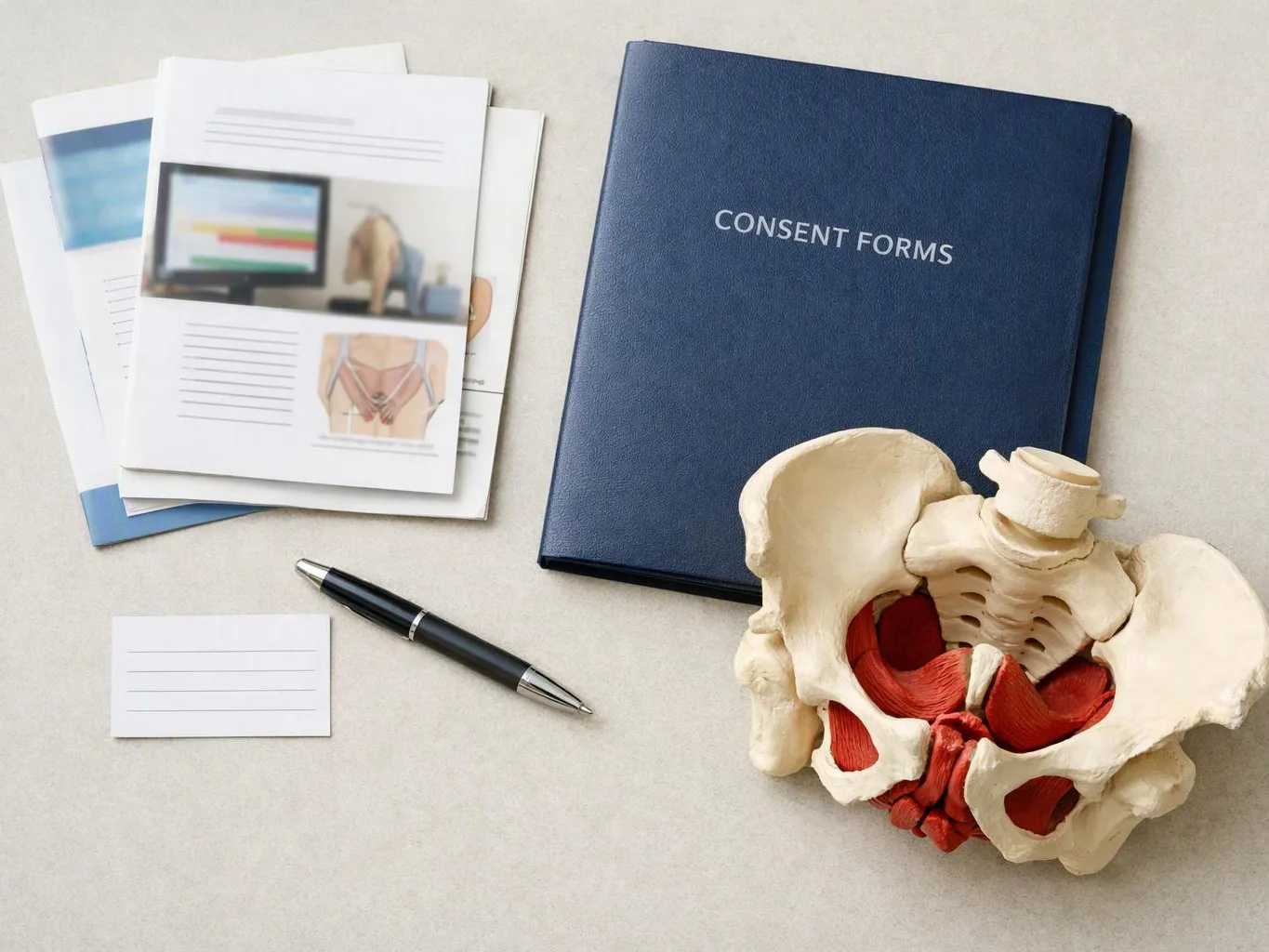
Which records should I bring after a collision?
Medical records, discharge papers, medication details, and accident information help the provider understand your condition. Bring imaging reports, prior treatment notes, and contact details for an attorney when available. Patients in Lovejoy can also explain whether MedPay or an attorney lien may be involved, so the practice can discuss the documentation process.
How does the practice handle treatment costs?
Treatment cost depends on the recommended service, injury findings, and payment arrangement. Premier Injury Specialists offers free consultations, but the consultation offer isn't a treatment price. The practice may bill treatment through MedPay or an attorney lien, and the care plan is discussed before treatment proceeds.
Why can pain start after the crash instead of right away?
Delayed pain can appear as inflammation, muscle strain, or nerve irritation develops after the collision. The evaluation records when symptoms began and checks how they affect movement, strength, and sensation. A medical history review also helps separate new crash-related symptoms from earlier conditions that could affect the plan.