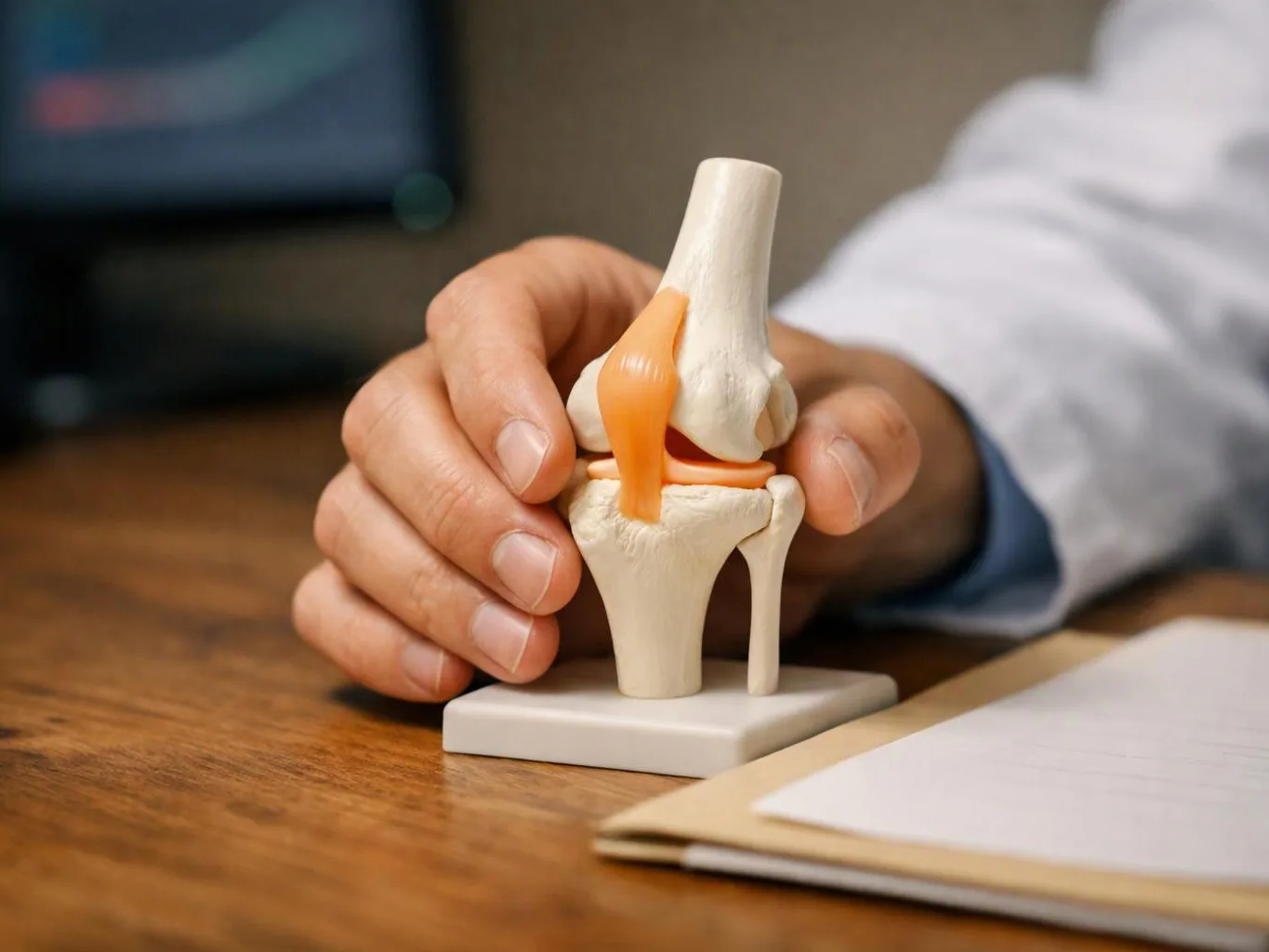
How can strength training help restore function after complex regional pain syndrome?
Strength training can support function when pain and reduced use have weakened movement. The plan starts with the patient’s findings and activity limits, then builds movement at a manageable pace. Graded movement, occupational therapy, mirror therapy, and psychological support may also have a role. Our team explains which parts fit the documented injury.
What should I bring to the first evaluation after an auto accident?
Medical records, collision details, medication information, and prior treatment notes help us assess the injury. Bring imaging reports if you have them, but most patients can schedule an evaluation without a referral. The first visit focuses on symptoms, function, nerve findings, and the treatment options that match the record.
Which procedures might be discussed for ongoing collision-related pain?
Epidural steroid injections, facet joint injections, medial branch blocks, occipital nerve blocks, radiofrequency ablation, and joint injections may be discussed when findings support them. The evaluation determines whether a procedure fits. We explain the purpose, expected role, and next steps before treatment proceeds.
When should pain and sensitivity receive a focused evaluation?
Persistent pain, swelling, sensitivity, or reduced movement deserves a focused evaluation when it affects daily function after a collision. Early review helps connect symptoms with the injury record and guides the next decision. Seek emergency care for severe symptoms that need immediate attention.
Why does detailed medical documentation matter after a crash?
Detailed medical documentation connects reported symptoms, clinical findings, treatment decisions, and changes in function. That record helps patients understand their care and gives referring attorneys information about the collision injury. Our practice keeps evaluation, interventional treatment, and documentation within one injury-focused setting.
Can treatment be billed through MedPay or an attorney lien?
MedPay or an attorney lien may be used for treatment when the arrangement applies. The billing path depends on the case and available coverage, so we discuss it during the consultation. Patients should bring relevant insurance or attorney information so the office can review the next administrative step.
What changes the care plan when movement stays limited?
The care plan changes when pain behavior, sensitivity, nerve findings, or movement limits point to a different treatment need. We reassess the documented findings and discuss options such as movement work, an injection, or a nerve block. Individual results vary, and each plan must match the patient’s medical condition.