Review pain history and prior care
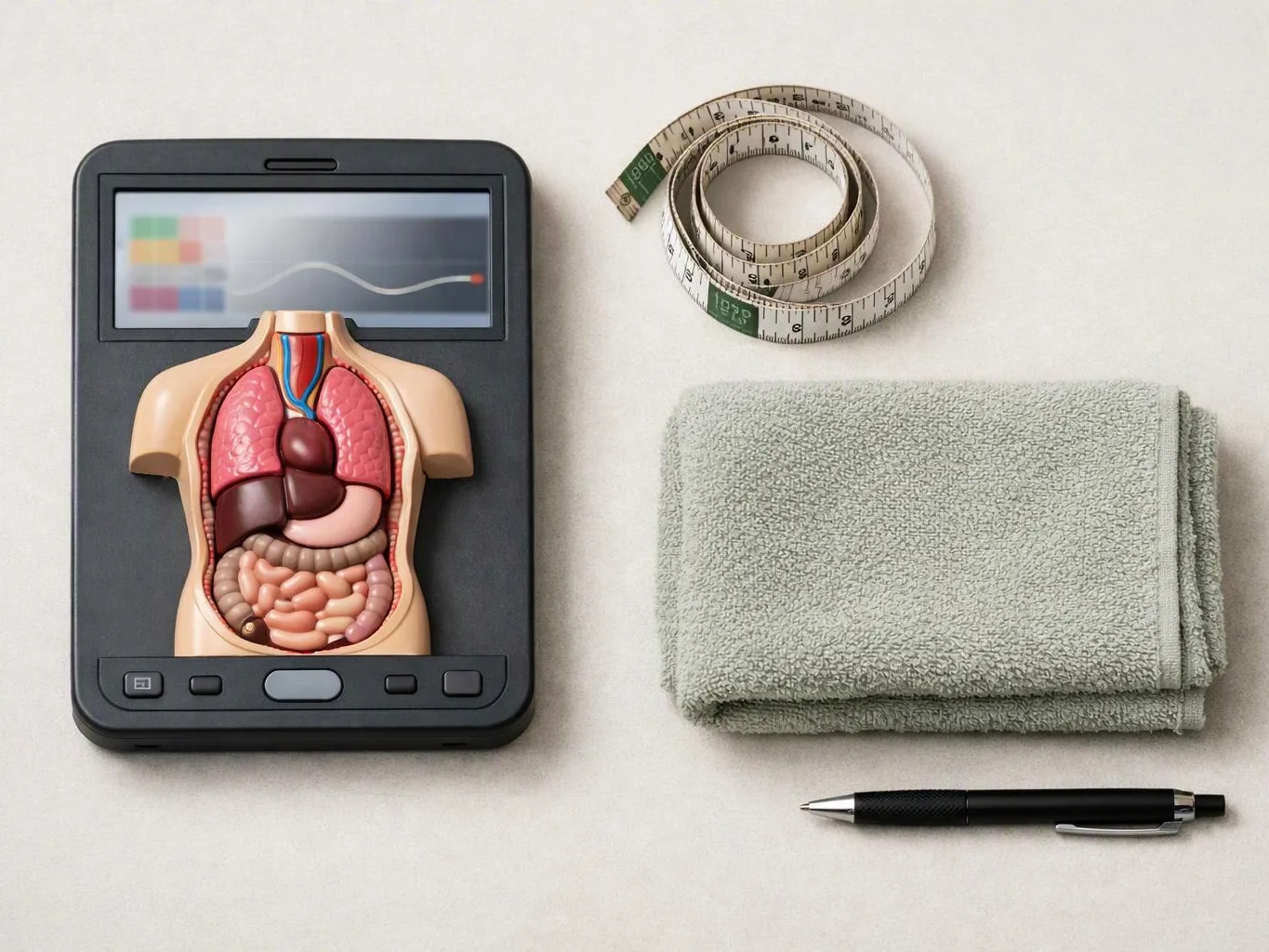
We document the pain location, nerve symptoms, activity limits, current medicines, and earlier treatments to define the clinical problem.
Our board-certified pain management physicians provide focused care after an auto accident. Same-day evaluations are often available for patients who need a careful treatment review.
Medication reaches a targeted area near the spinal cord.
Treatment planning connects pain symptoms with function and medical history.
Detailed medical documentation supports communication with patients and referring attorneys.

Intrathecal pump care focuses on targeted medication delivery for selected patients with ongoing pain. The system includes an implanted pump and a catheter that carries medication near the spinal cord. The decision is not based on pain intensity alone. We consider the suspected pain source, prior treatment, current medicines, functional limits, and relevant medical records. Our practitioners explain what the procedure involves and what follow-up requires. Results vary, so the plan must include realistic goals and a way to review progress after treatment.
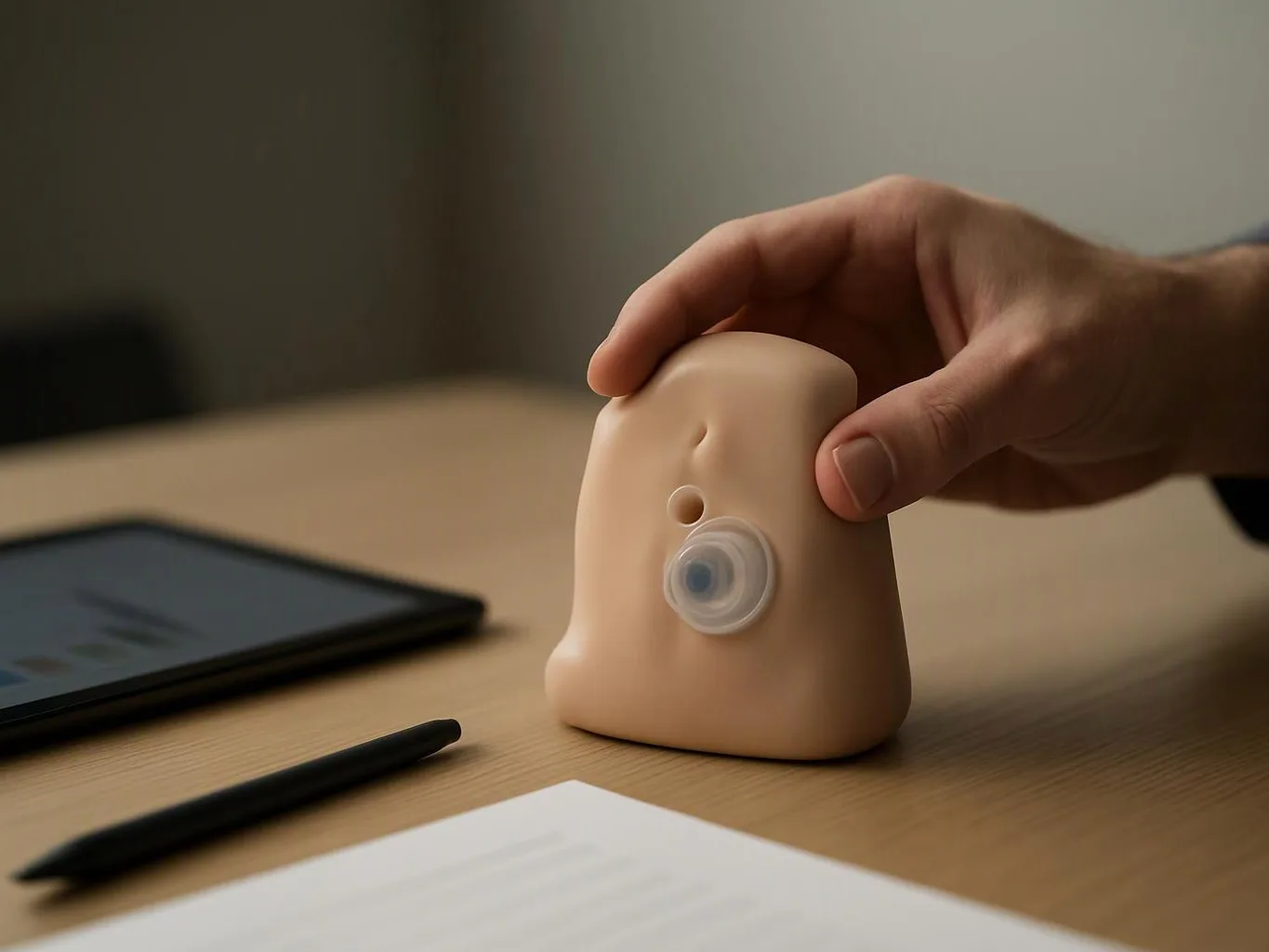
Intrathecal Pain Pump Implantation is a procedure that places a pump and catheter to deliver medication near the spinal cord.
We document the pain location, nerve symptoms, activity limits, current medicines, and earlier treatments to define the clinical problem.
Our team compares the diagnosis, medical history, treatment goals, and prior response to care with the reasons for considering intrathecal medication delivery.
We explain how the implanted pump stores medication and how the catheter carries it near the spinal cord.
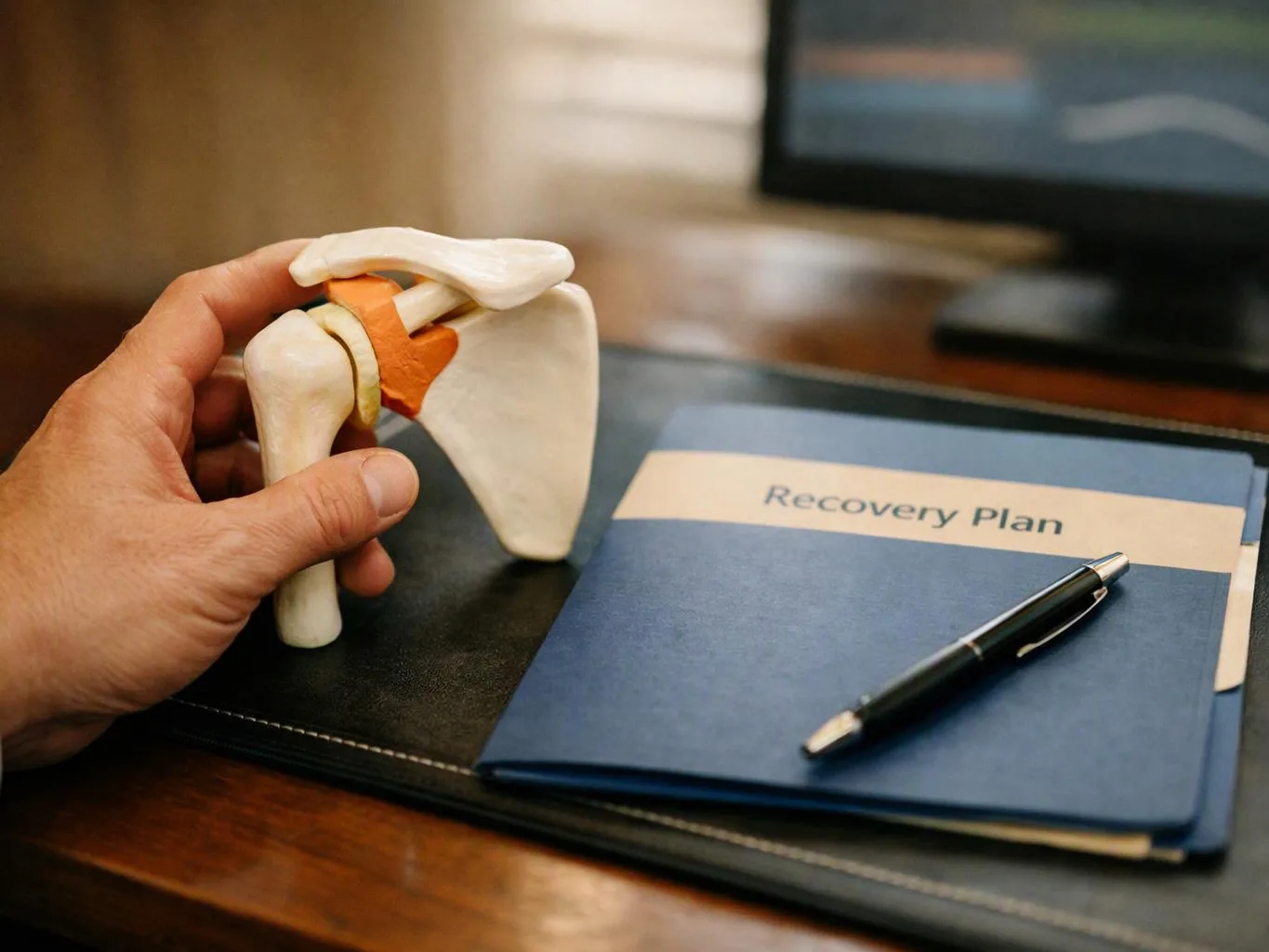
We identify goals such as improved movement, better sleep, or greater daily function, then record how progress will be reviewed.
We provide the treatment plan and documentation needed for appropriate follow-up and coordination with the patient's care team.
Bring information that helps us connect your symptoms, prior treatment, and daily limits.
We explain the pump, catheter, medication plan, and treatment choices in language patients and families can understand.
We review evidence-based options and discuss alternatives before intrathecal medication delivery when clinically appropriate.

It was my first experience getting a surgerical procedure done and they was open and transparent, and that's what makes me feel comfortable I feel good and the day after like they told me.

I had an amazing experience. The staff was super friendly and helpful and everything the doctor said I would feel and experience I did and they was right there every step of the way making sure I was okay and the nurse is so supportive from beginning to recovery… I definitely recommend this facility

Phenomenal absolutely Phenomenal experience great friendly and knowledgeable staff, I went 3 times and I loved the treatment highly recommend any one to go....thanks guys im 100% better
Premier Injury Specialists can review your pain history, prior treatment, and medical records in a consultation. We’re open Monday through Thursday from 8 AM–6 PM, Friday from 8 AM–5 PM, and closed Saturday and Sunday.

Pain that continues after injections, medicine, or other care needs a fresh clinical review. Intrathecal pump planning depends on the pain source, medication history, and limits on daily activity. Patients in McDonough can request an evaluation so our team can review records, explain candidacy, and outline the next medical decision.
Some patients want to discuss targeted delivery because current medicine creates difficult side effects or does not support daily function. The review must include every current medicine, past response, and relevant health condition. Bring those details to a consultation, and we’ll explain whether an implanted pump belongs in the treatment discussion.
Auto accident patients may need a focused record of symptoms, treatment choices, and functional limits before making a long-term pain decision. Our practice documents collision-related conditions and coordinates information when appropriate. A patient or referring attorney can request an evaluation and discuss the records needed for the consultation.