Review the collision injury
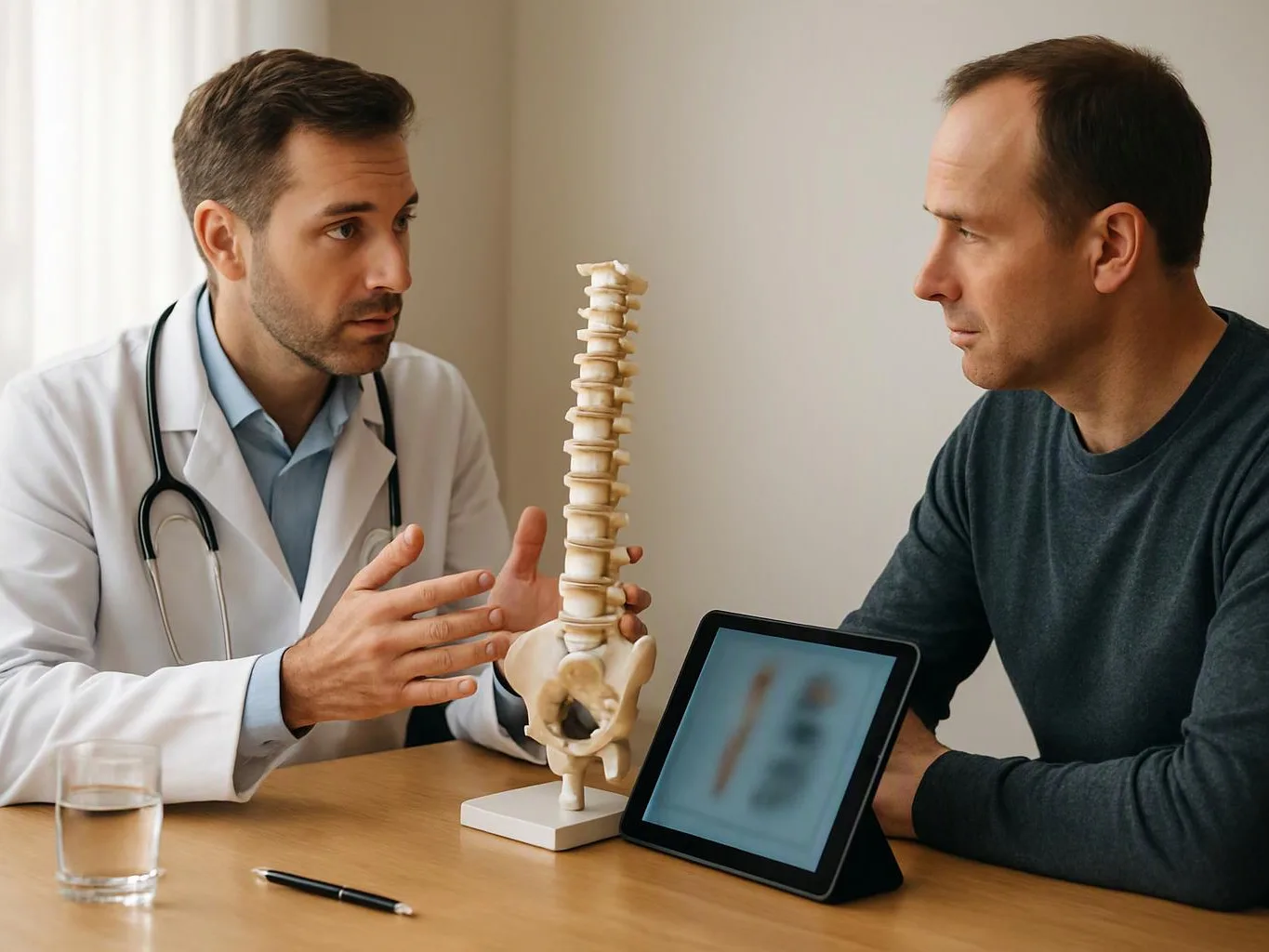
We discuss the crash, pain pattern, function, prior treatment, and available medical records.
Radiofrequency ablation may help reduce pain from selected spinal nerve pathways after an auto accident. Same-day evaluations are often available, and free consultations are offered.
Genicular nerve radiofrequency ablation focuses on selected nerves around the knee. It may fit patients with persistent knee pain when the evaluation supports that treatment. We review the knee symptoms, injury history, and prior care before discussing whether this option belongs in the plan.
Radiofrequency ablation may reduce pain signals from a selected nerve pathway.
A focused plan can connect the injury evaluation with interventional care and medical documentation.
Treatment discussions include alternatives, so you can weigh the clinical fit before deciding.
Radiofrequency ablation is a minimally invasive procedure that uses controlled heat to interrupt selected pain signals from targeted nerves.

Radiofrequency ablation targets selected nerves that carry pain signals from an affected area. It may be considered for persistent neck or back pain when the clinical findings support that approach. The decision starts with the pain source. Our physicians review your symptoms, injury history, prior procedures, and available records. They then explain expected benefits, possible risks, and other treatment choices. Cost depends on the evaluation, the treatment area, the records needed, and the clinical plan. Free consultations help patients discuss the situation before treatment. We may bill through MedPay or an attorney lien when appropriate.
We discuss the crash, pain pattern, function, prior treatment, and available medical records.
Our physician examines the affected area and considers whether a specific nerve pathway fits the symptoms.
We explain radiofrequency ablation, alternatives, possible risks, and what the plan includes before treatment.
When clinically appropriate, we use controlled radiofrequency energy to treat the selected nerve pathway.
We provide detailed medical documentation and discuss follow-up steps based on your condition.
Bring information that helps us connect your symptoms with the collision and prior care.
We explain the nerve target, treatment choices, and possible risks in language patients can understand.
We review evidence-based minimally invasive options and discuss alternatives before radiofrequency ablation.

Phenomenal absolutely Phenomenal experience great friendly and knowledgeable staff, I went 3 times and I loved the treatment highly recommend any one to go....thanks guys im 100% better

Doctor is very knowledgeable about injections and spine . Tracy’s customer service was impeccable. She made me feel at ease . Overall great team !

The Premier injury specialists were very kind, professional and thorough in their process to give me treatment. I would certainly recommend anyone to seek their services for pain management.
Is persistent pain affecting your daily life after an auto accident? Premier Injury Specialists offers free consultations, and same-day evaluations are often available. Schedule a consultation to discuss your symptoms, records, and treatment options.

Pain that returns after an injection or nerve block needs a focused review. The key question is whether the same nerve pathway still matches your symptoms and exam. Bring prior procedure records and imaging reports to the consultation. We’ll explain whether radiofrequency ablation fits, what alternatives exist, and how the plan would be documented.
A patient may still have back pain that limits work, sleep, or daily movement after the initial injury care. The pain pattern matters because facet-related symptoms and nerve irritation can call for different procedures. We’ll review the injury history and prior treatment, then discuss whether targeted nerve care belongs in the next plan.
Some auto accident patients need treatment records that clearly connect symptoms, findings, and care. Radiofrequency ablation requires a documented clinical reason, not a procedure request alone. Patients can bring attorney contact details and existing records to the consultation. Our practice can coordinate documentation directly with referring attorneys when appropriate.