Record the collision history
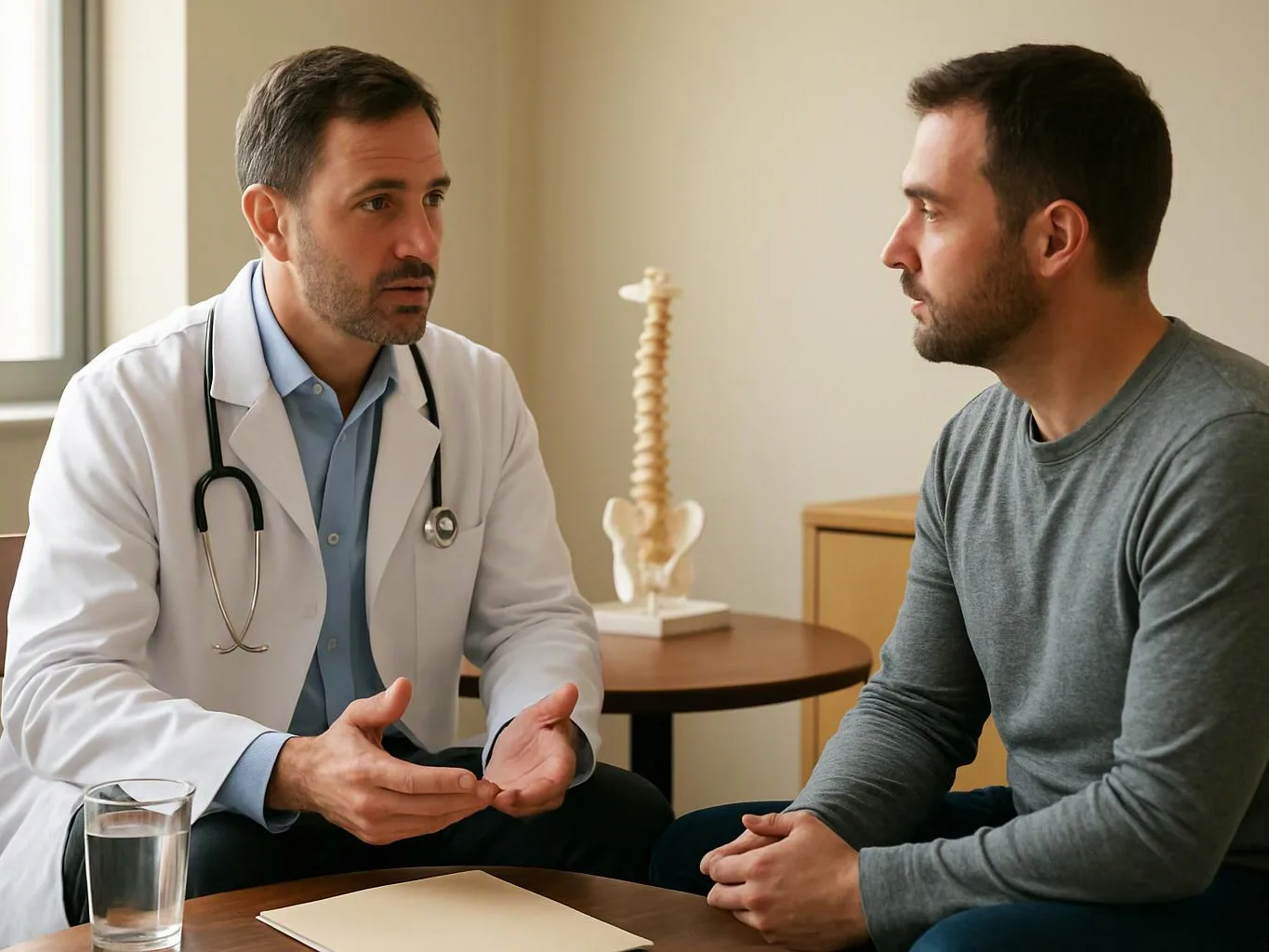
We document the crash history, symptom onset, pain location, and changes since the collision so the clinical record starts with the patient’s account.
We prepare detailed records for auto accident injuries, including whiplash, spine pain, and herniated discs. Same-day evaluations are often available.
Your symptoms and exam findings stay connected to the collision.
Treatment choices have a written clinical reason.
Follow-up visits show how pain and function change.
Attorneys can coordinate records with our practice when needed.
“§ 31-33-2, requiring providers to furnish medical records within 30 days of receiving a valid written request.”
Source: tavrn.ai·Year: 2025
Medical documentation begins with the patient’s account of the collision and symptoms. We add examination findings, diagnoses, treatment decisions, and follow-up notes that relate to the injury. The record may cover whiplash, neck pain, back pain, headaches, sciatica, radiculopathy, herniated discs, and soft-tissue injuries. It can also describe injections, nerve blocks, radiofrequency ablation, or other care when those procedures fit the patient’s condition. Gaps create risk. A note that omits symptom onset, pain location, strength changes, or treatment response can make the record harder to follow. We check those links during care and explain what each finding means.
Medical Documentation is a clinical record that describes an injury, its findings, its diagnosis, and its treatment.
We document the crash history, symptom onset, pain location, and changes since the collision so the clinical record starts with the patient’s account.
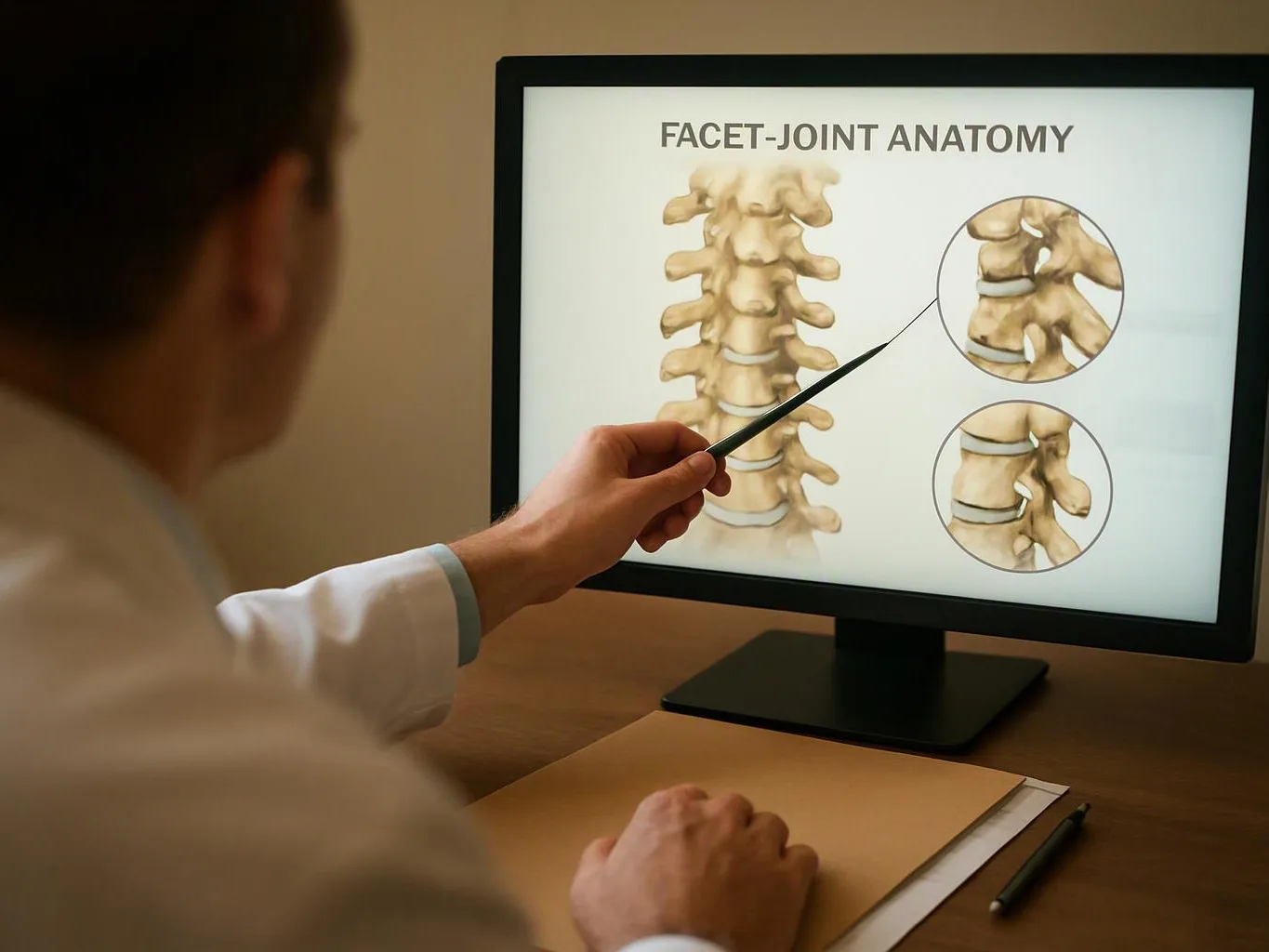
We record examination findings and diagnoses such as whiplash, radiculopathy, sciatica, or herniated discs, then explain their role in the care plan.
We note why treatment is appropriate, discuss alternatives, and record procedures such as injections or nerve blocks when clinically appropriate.
We record symptom changes, treatment response, and follow-up needs so later decisions use the current clinical picture.
Bring the records and details that help us connect your symptoms with the collision.
We explain diagnoses and treatment choices in understandable language, then record the patient’s questions and decisions.
We document evidence-based care, discuss alternatives, and connect each clinically appropriate procedure with its treatment reason.

I had a great experience at premier injury specialist after my car accident. From the moment I walked in, Tracy, the patient coordinator, made sure I understood the process and felt comfortable. Tony, the medical assistant, did an amazing job explaining the procedure in detail, which eased my nerves. Dr. Vyas thoroughly reviewed my MRI and took the time to explain my condition and treatment options. He was very honest and upfront about the procedure, making sure I truly needed the injection before administering it. His transparency and genuine care for my well-being reassured me that this office isn’t just in it for the money — they are truly invested in their patients’ health. I highly recommend this office to anyone in need of pain management. They provide exceptional care with professionalism and integrity.

Tracey was great at explaining things and next steps and what to expect. Tony was great as extremely helpful and calming he is Dr.Vyas right hand and letting me know what I needed to do.

The staff were very informative. They walked me through the whole process before. I felt very comfortable.
Prior medical records, imaging reports, treatment notes, medication details, and collision information help us build a complete record.
Our team reviews these materials with your clinical history.
Get a focused record of your accident-related symptoms, findings, and treatment plan. Premier Injury Specialists offers free consultations, and same-day evaluations are often available.
Neck or back pain may continue after a collision while the record lacks symptom onset or exam details. The missing link matters because later treatment decisions rely on the earlier clinical picture. Bring prior records and describe each symptom clearly. We’ll review the history, perform an evaluation, and document the findings that guide care.
An attorney may need medical records that connect the crash, the injury, and the treatment plan. A scattered file can leave out procedure notes, diagnosis changes, or follow-up findings. Share the attorney’s contact details and available records with our practice. We can coordinate documentation directly when the attorney refers the client to our team.
Pain, numbness, headaches, or weakness can change as care continues. Each change deserves a dated clinical note because it may affect the diagnosis or treatment plan. Keep track of new symptoms and treatment responses before your visit. We’ll compare that history with examination findings and record the next decision.