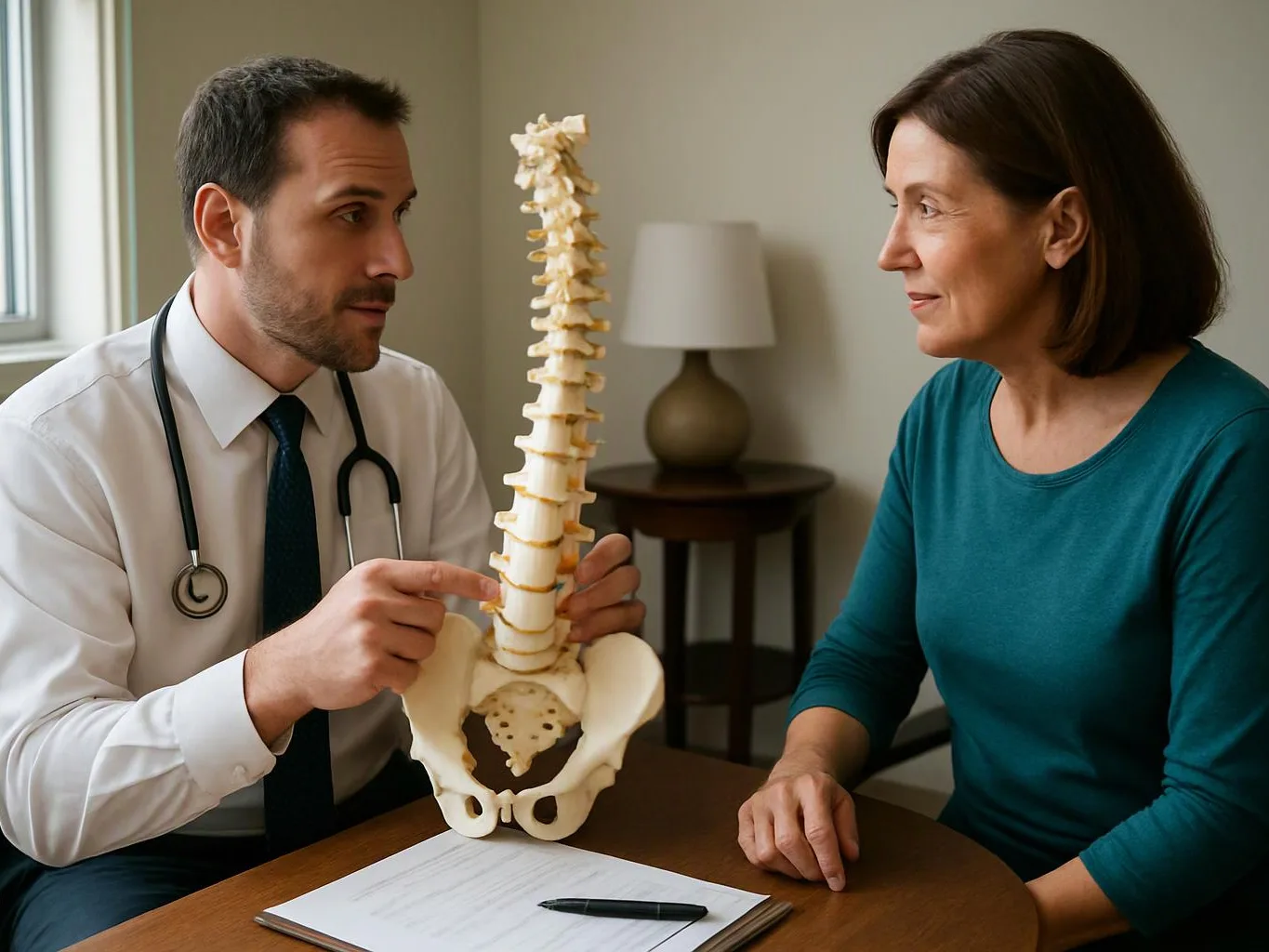
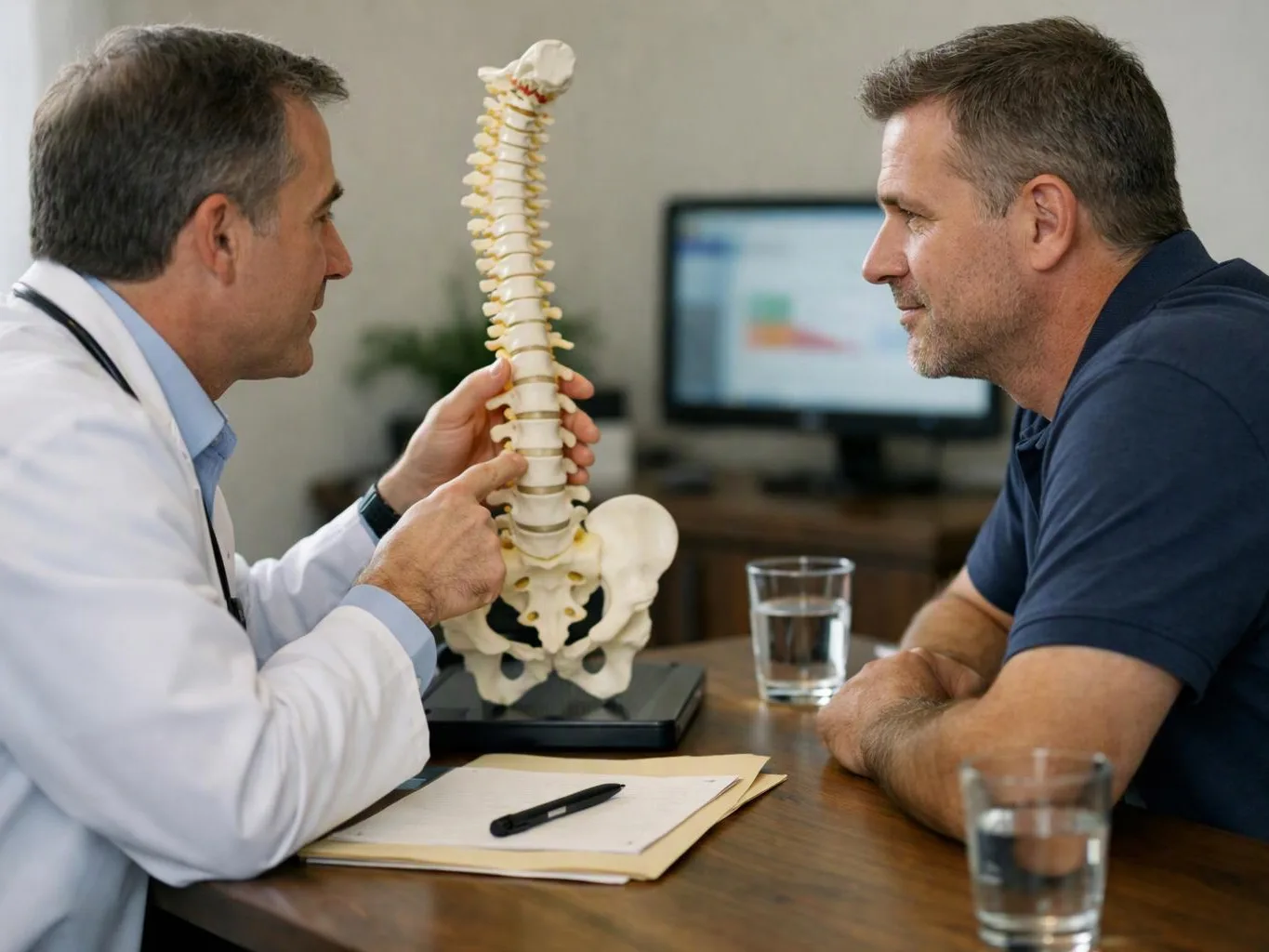
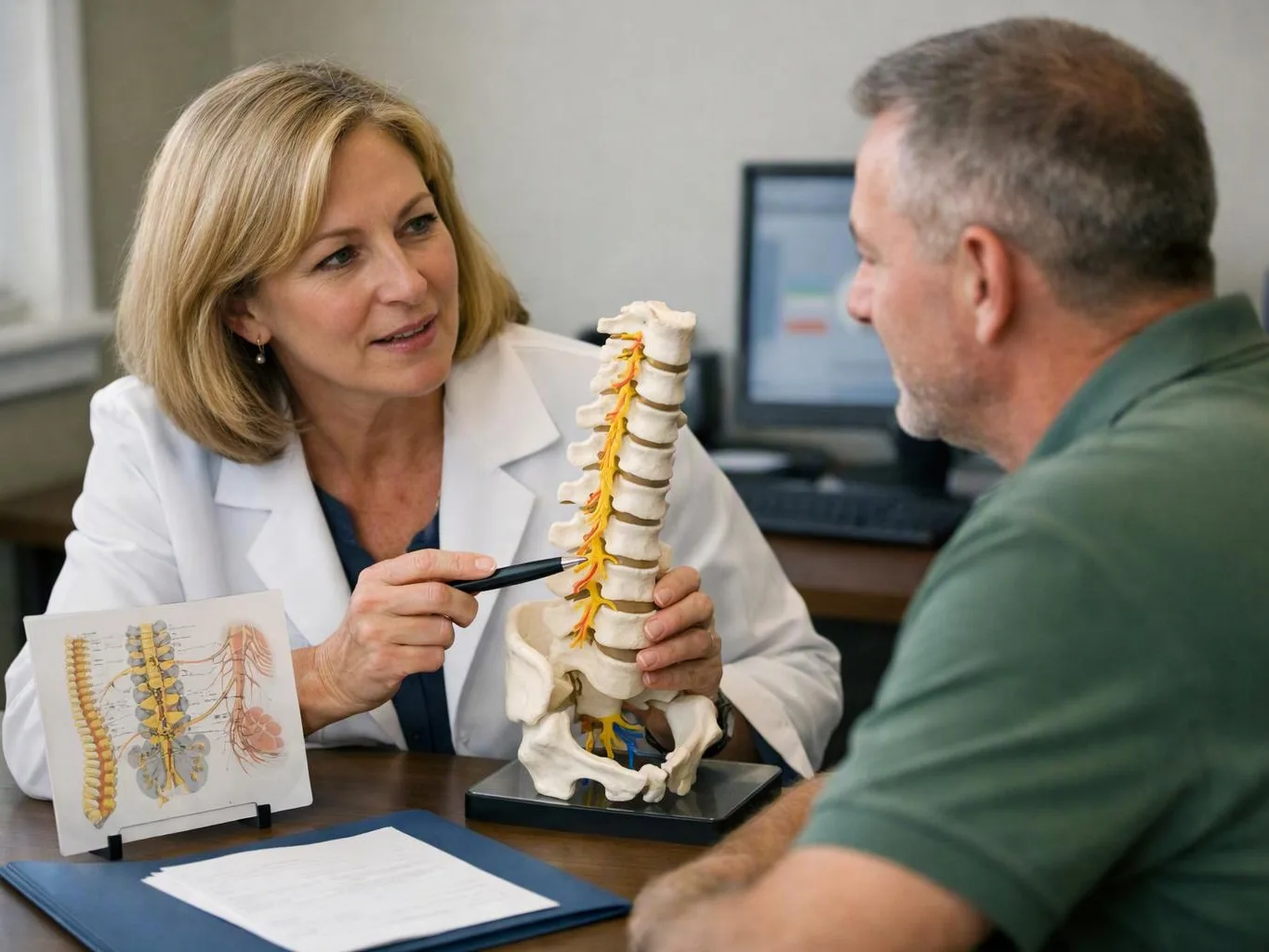
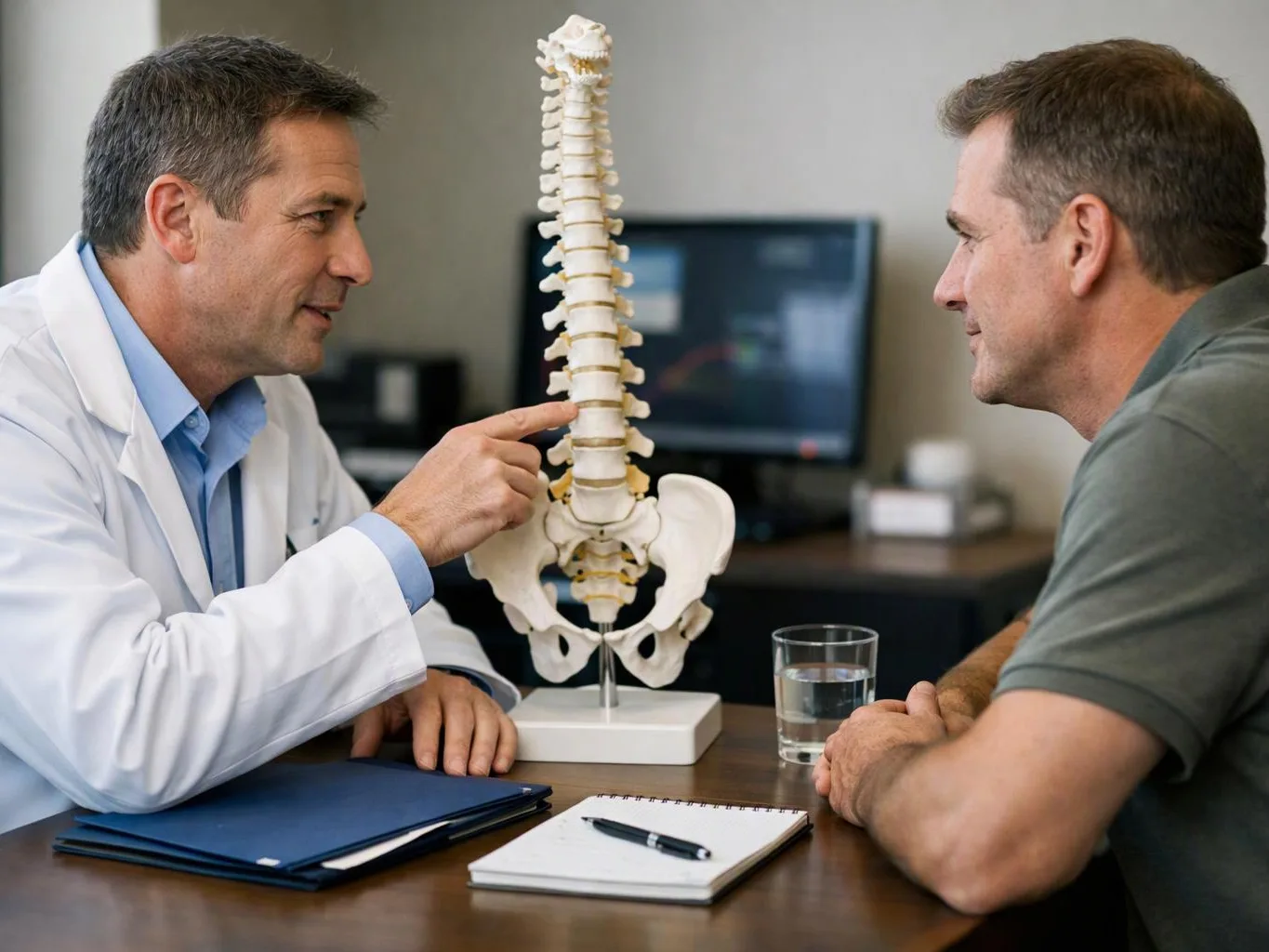
Minimally Invasive Lumbar Decompression vs. Injection-Based Care
Minimally invasive lumbar decompression addresses pressure on spinal nerves, while injection-based care aims to reduce pain and inflammation without decompression. Premier Injury Specialists compares imaging, symptoms, goals, risks, and expected follow-up to help determine which option fits.
Request an EstimateOptions at a Glance
Decompression and injections serve different treatment goals. Our team matches each option to your symptoms, examination findings, and imaging.
- Lumbar decompression: Best for symptoms tied to ongoing structural nerve pressure.
- Injection-based care: Best for inflammation, radiating pain, or nonoperative treatment.
How Lumbar Decompression and Injections Work
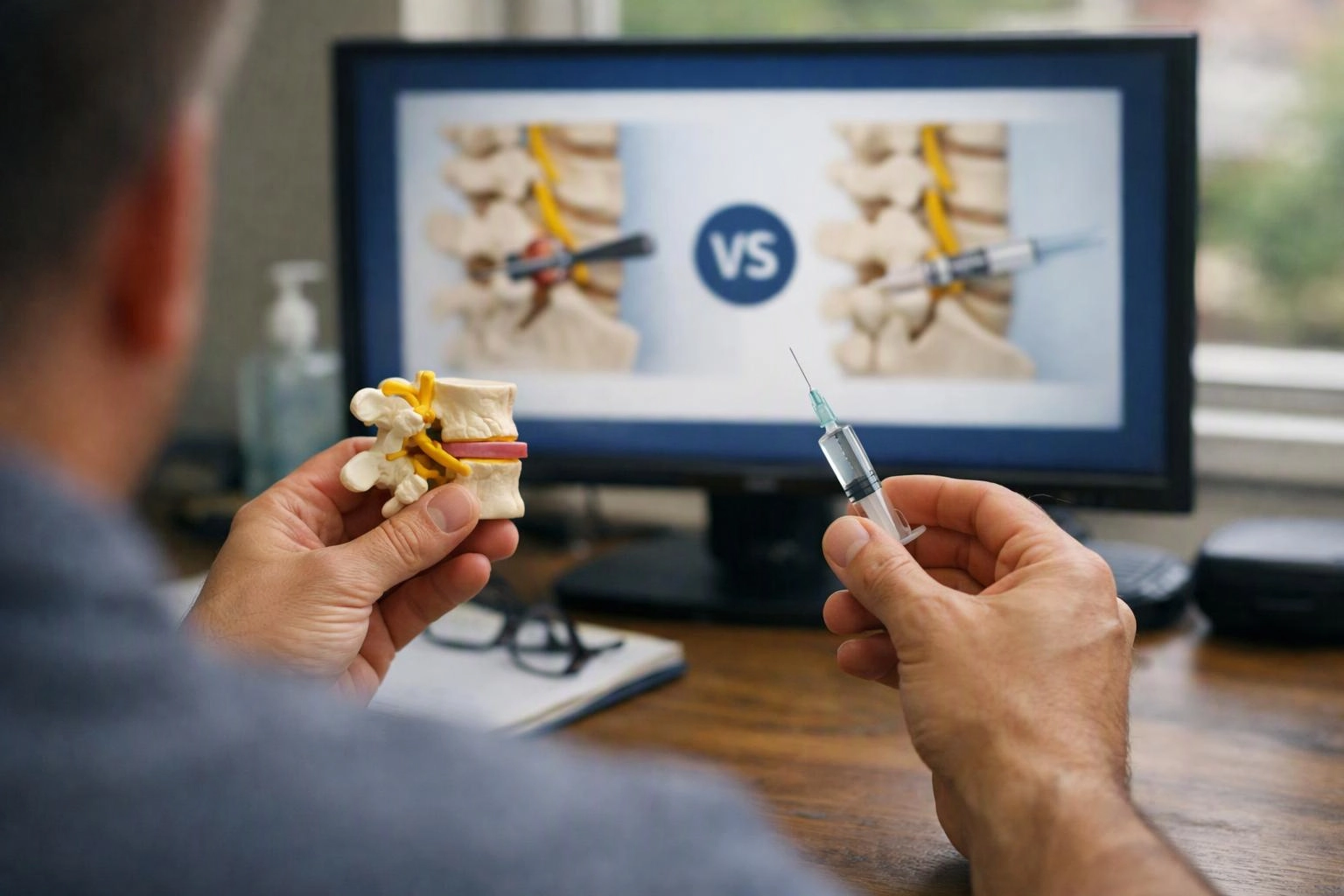
Minimally invasive lumbar decompression relieves mechanical nerve pressure, while epidural steroid injections target inflammation and pain around spinal nerves.
Lumbar spinal stenosis is narrowing in the spinal canal that can crowd a nerve root. Decompression creates more room around the affected nerve when imaging and symptoms support that choice.
An epidural steroid injection places medication near irritated spinal nerves. The medication may calm inflammation and reduce sciatica, leg pain, or other radiating pain.
We use the clinical picture to separate inflammation from ongoing spinal nerve compression. Some patients have both problems, so treatment may involve more than one approach.
Quick Comparison: Decompression vs. Injection-Based Care
The better option depends on whether symptoms mainly reflect ongoing structural compression, inflammation, or both. Cost and follow-up also depend on the services included in the care plan.
| Factor | Minimally Invasive Decompression | Injection-Based Care | Main Decision Point |
|---|---|---|---|
| Treatment goal | Relieve structural nerve pressure | Reduce inflammation and pain | Compression, inflammation, or both |
| Procedure approach | Minimally invasive decompression | Medication placed near the spinal nerve | Exam and imaging guide selection |
| Cost drivers | Facility, anesthesia, imaging, and follow-up needs | Medication, imaging, procedure setting, and repeat care | Services included in the planned care |
| Timeline and recovery | Requires recovery planning after decompression | Usually focuses on post-injection monitoring and activity guidance | Your health, procedure, and response shape the plan |
| Maintenance | Follow-up checks treatment response | Repeat injections may be considered when appropriate | Durability depends on the cause of symptoms |
| Best-for criteria | Persistent narrowing with nerve-related symptoms | Inflammatory or radiating pain needing targeted relief | Symptoms, findings, goals, and prior care |
We explain what the quote includes after evaluation. Insurance coverage can also vary by procedure, imaging, facility, and follow-up care.
What Are the Advantages of Minimally Invasive Lumbar Decompression?
Minimally invasive lumbar decompression may better fit symptoms linked to persistent structural narrowing and nerve compression.
Best for: patients with matching symptoms, examination findings, and imaging-confirmed narrowing.
What Are the Advantages of Injection-Based Care?
Injection-based care may better fit patients who need targeted pain relief, inflammation control, or more information before considering decompression.
Best for: patients who need symptom relief, diagnostic guidance, or continued nonoperative care.
Which Treatment Fits Your Symptoms and Goals?
Symptoms, examination findings, imaging, prior treatment, and personal goals guide the choice between decompression and injections.
Back pain alone does not always point to nerve compression. Sciatica, numbness, weakness, and leg symptoms may provide more useful clues.
Neurogenic claudication can cause leg pain or heaviness during standing and walking. We compare your walking tolerance with the imaging findings before recommending care.
Our team also reviews functional limitations, treatment response, medical history, and your goals. You can learn more about our Minimally Invasive Lumbar Decompression service when structural pressure is part of the concern.
What Evaluation Is Needed Before Lumbar Decompression?
A lumbar decompression evaluation connects the patient's symptoms and examination findings with imaging-confirmed nerve compression.
We compare the imaging findings with the side, pattern, and severity of symptoms. Imaging alone does not decide whether decompression fits.
What Should You Ask Before Choosing Lumbar Decompression?
Patients should ask how the procedure addresses their specific compression, what alternatives remain, and how follow-up will be handled.
We answer these questions using your records, examination, imaging, and treatment goals. Clear planning helps you make an informed choice.
How Do Cost and Follow-Up Differ Between the Options?
Decompression and injection costs depend on different services, facility needs, imaging, medications, follow-up, and whether repeat care is needed; we explain the planned care and provide a quote after evaluation.
Decompression cost drivers can include the procedure setting, anesthesia, imaging review, and recovery visits. Injection cost drivers can include the medication, imaging guidance, procedure setting, and repeat injections.
Insurance coverage may differ between procedures and plans. We review the planned services and explain what the quote includes before care proceeds.
How Premier Injury Specialists Plans the Next Step
Premier Injury Specialists reviews symptoms, examination findings, imaging, and treatment goals before discussing decompression or injection-based care.
Our team begins with a spine injury evaluation that connects your history to your current back pain treatment needs. We explain whether the findings point toward structural pressure, inflammation, or both.
We then discuss Minimally Invasive Lumbar Decompression and Epidural Steroid Injections when either option fits the evaluation. Our plan includes procedure risks, recovery planning, cost drivers, and follow-up care.
Request a Free Consultation so we can review your symptoms and discuss the next step.
When Should Back Pain Receive Urgent Medical Attention?
New or worsening weakness, saddle numbness, or bowel and bladder changes require urgent medical evaluation.
Questions About Lumbar Decompression and Injections
Can an epidural steroid injection help determine whether decompression may help?
Yes, an epidural steroid injection may provide useful information when pain comes from a specific irritated nerve. Premier Injury Specialists compares the treatment response with your examination and imaging before discussing decompression.
Are injections still useful after minimally invasive lumbar decompression?
Yes, injections may still have a role after decompression when inflammation or another pain source remains. We review new symptoms, examination findings, and follow-up imaging before recommending additional care.
What imaging findings support lumbar decompression?
Imaging findings that show spinal canal narrowing or nerve root compression may support decompression when they match the symptoms and neurologic examination. We review magnetic resonance imaging or CT findings in that clinical context.
What symptoms suggest lumbar spinal stenosis is affecting the nerves?
Lumbar spinal stenosis may affect the nerves when it causes leg pain, numbness, weakness, or neurogenic claudication. We compare these symptoms with walking limits, examination findings, and imaging.