Whiplash Symptoms After a Car Accident: When to Get Evaluated
Whiplash symptoms can include neck pain, stiffness, headaches, and dizziness, and they may appear after the crash. Seek prompt medical evaluation for worsening symptoms or urgent warning signs; Premier Injury Specialists can assess the injury and document needed care.
Request an EstimateWhat Are the Common Symptoms of Whiplash?
Whiplash is a soft tissue injury caused by forceful movement of the head and neck. Symptoms can affect the neck, shoulders, upper back, and daily movement.
These symptoms may occur alone or together. Our team records each symptom because the pattern helps guide an injury assessment.
Can Whiplash Symptoms Start Later?
Yes, whiplash symptoms can develop after the crash, so new or worsening pain still deserves medical attention.
Delayed whiplash symptoms can follow a soft tissue injury or neck strain. Adrenaline after a car accident may make pain harder to notice at first.
Post-accident monitoring helps you notice changes in pain, movement, headaches, or dizziness. We can assess new symptoms even when you felt fine right after the collision.
When Should You See a Doctor for Neck Pain After a Car Accident?
You should seek medical evaluation when neck pain persists, worsens, limits movement, or follows a noticeable crash impact.
Neck pain after a car accident can signal a neck injury, muscle strain, ligament injury, or nerve symptoms. Prompt care also creates clear injury documentation for your medical records.
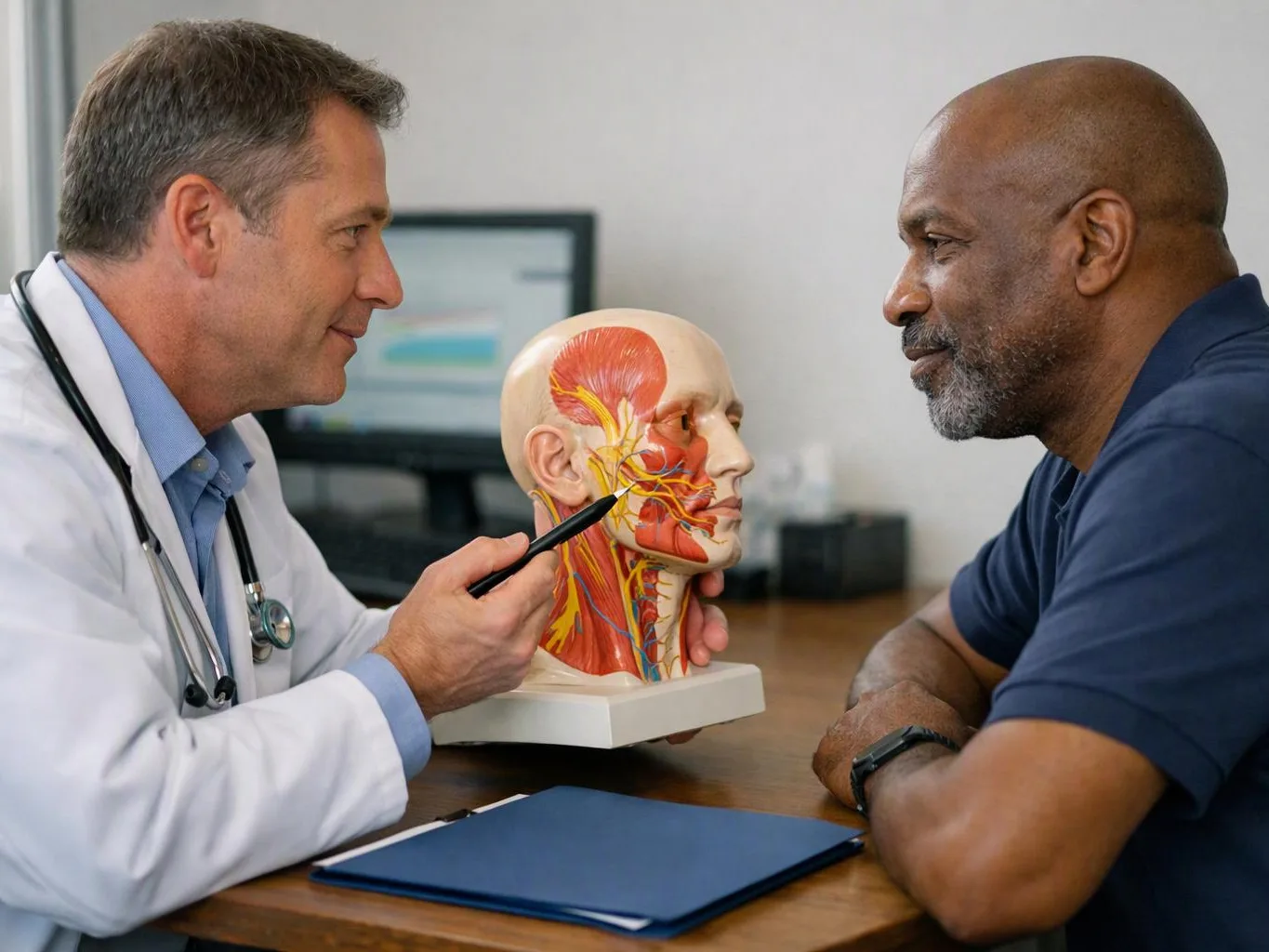
Our team checks persistent symptoms and limited movement during an Auto Accident Injury Evaluation. We explain the findings and help organize the next steps in your care.
Which Whiplash Symptoms Need Urgent Evaluation?
Urgent evaluation is needed for severe or rapidly worsening symptoms, neurological changes, confusion, fainting, or breathing problems.
Seek urgent medical care for severe headache, weakness, numbness, loss of coordination, confusion, fainting, or vision changes. Breathing difficulty also requires immediate attention.
These signs can point to problems beyond a simple neck strain. We urge you to use emergency medical services for severe symptoms before arranging routine injury care.
What Causes Whiplash During a Car Accident?
Whiplash happens when vehicle impact forces the head and neck to move suddenly. The movement can stress muscles, ligaments, and the cervical spine.

Our physical examination considers the crash forces and your symptoms together. This approach helps us assess the possible accident-related neck injury.
How Can You Reduce the Risk of Whiplash?
Safe vehicle use can reduce the force placed on your head and neck during a collision. These steps can't prevent every injury, but they support safer positioning.
If pain develops despite these precautions, we can evaluate the symptoms and recommend appropriate care.
How We Evaluate a Possible Whiplash Injury
Premier Injury Specialists evaluates your symptoms, movement, and neurological signs, then coordinates documentation and imaging referrals when appropriate.
We begin with a pain history and physical examination. We review how the crash happened, where you hurt, and which activities increase your pain.
Our team checks your range of motion and performs neurological screening for weakness, numbness, or other nerve symptoms. We use the findings to build a treatment plan and maintain medical documentation.
An imaging referral may be appropriate when your symptoms or examination call for more review. You can learn more about our Whiplash Treatment approach.
What Happens After You Request an Evaluation?
Premier Injury Specialists guides you through an initial consultation, symptom review, physical assessment, and care plan.
Care needs can differ based on symptoms, examination findings, and functional limits. We explain what your evaluation includes before moving forward.
How Can You Prepare for a Whiplash Evaluation?
A symptom timeline helps us understand how your condition changed after the accident. Write down when pain, stiffness, headache, or dizziness began.
Bring accident details, medical records, your medication list, and insurance information. Note pain triggers such as turning your head, lifting, sitting, or driving.
These details help connect your symptoms with daily activities and the crash. Our team uses them to support a focused examination and accurate medical documentation.
Whiplash Treatment and Follow-Up Care
Whiplash Treatment focuses on pain management, safe movement, and functional recovery. Our team adjusts the care plan as your symptoms and examination findings change.
Follow-up evaluation helps us review pain, range of motion, and daily function. We can also coordinate an imaging referral when new findings or ongoing symptoms support one.
Clear medical documentation remains important throughout care. Contact Premier Injury Specialists to request an evaluation and discuss your next step.
Questions About Whiplash After a Car Accident
Can you have whiplash without immediate neck pain?
Yes, delayed symptoms can occur after a crash, and Premier Injury Specialists can evaluate new or worsening pain. Adrenaline may mask symptoms shortly after the accident.
Should you get checked for whiplash after a minor car accident?
Yes, an evaluation is useful when pain, stiffness, headache, dizziness, or limited movement appears after a minor crash. A physical examination can identify symptoms that are easy to overlook.
Can whiplash cause headaches and dizziness?
Yes, whiplash can include headaches and dizziness along with neck pain and stiffness. Worsening or severe symptoms need prompt medical attention.
What should you tell a doctor about accident-related neck pain?
Describe when the pain began, how it changed, what movements trigger it, and whether you have headaches, dizziness, numbness, or weakness. Include accident details, medical records, medications, and changes in daily function.
Related Resources
Auto Accident Injury Evaluation Companies Worth Comparing in McDonough (2026)
What Goes With ItAttorney-Lien Billing and Medical Records for Injury Care
What Goes With ItWhiplash Symptoms, Evaluation, and Follow-Up Care
Compared ToAuto Accident Pain Care: Comparing Insurance and Attorney-Lien Billing