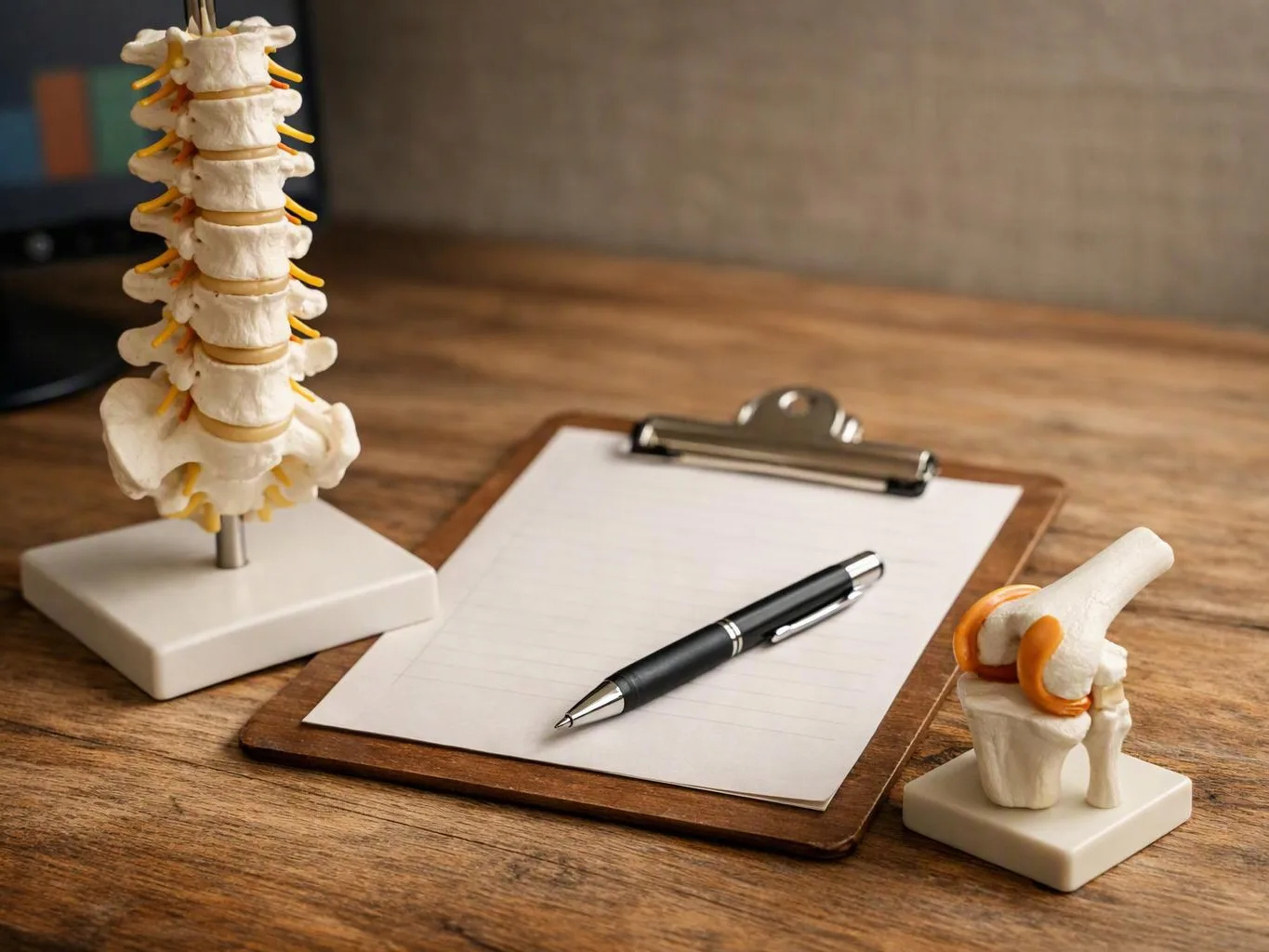
Review the collision and symptoms
We record the crash history, pain location, numbness, weakness, headaches, and movement limits so the request reflects the patient’s actual concerns.
We connect auto accident symptoms with the right imaging request and follow-up plan. Same-day evaluations are often available for patients in the area.
A focused request helps connect the affected body area with the patient’s reported symptoms.
Imaging findings can support decisions about injections, nerve blocks, rehabilitation, or continued clinical review.
Detailed medical documentation gives patients and referring attorneys a clearer record of the injury evaluation.
Imaging referrals are clinical requests that connect injury symptoms with a suitable diagnostic study.
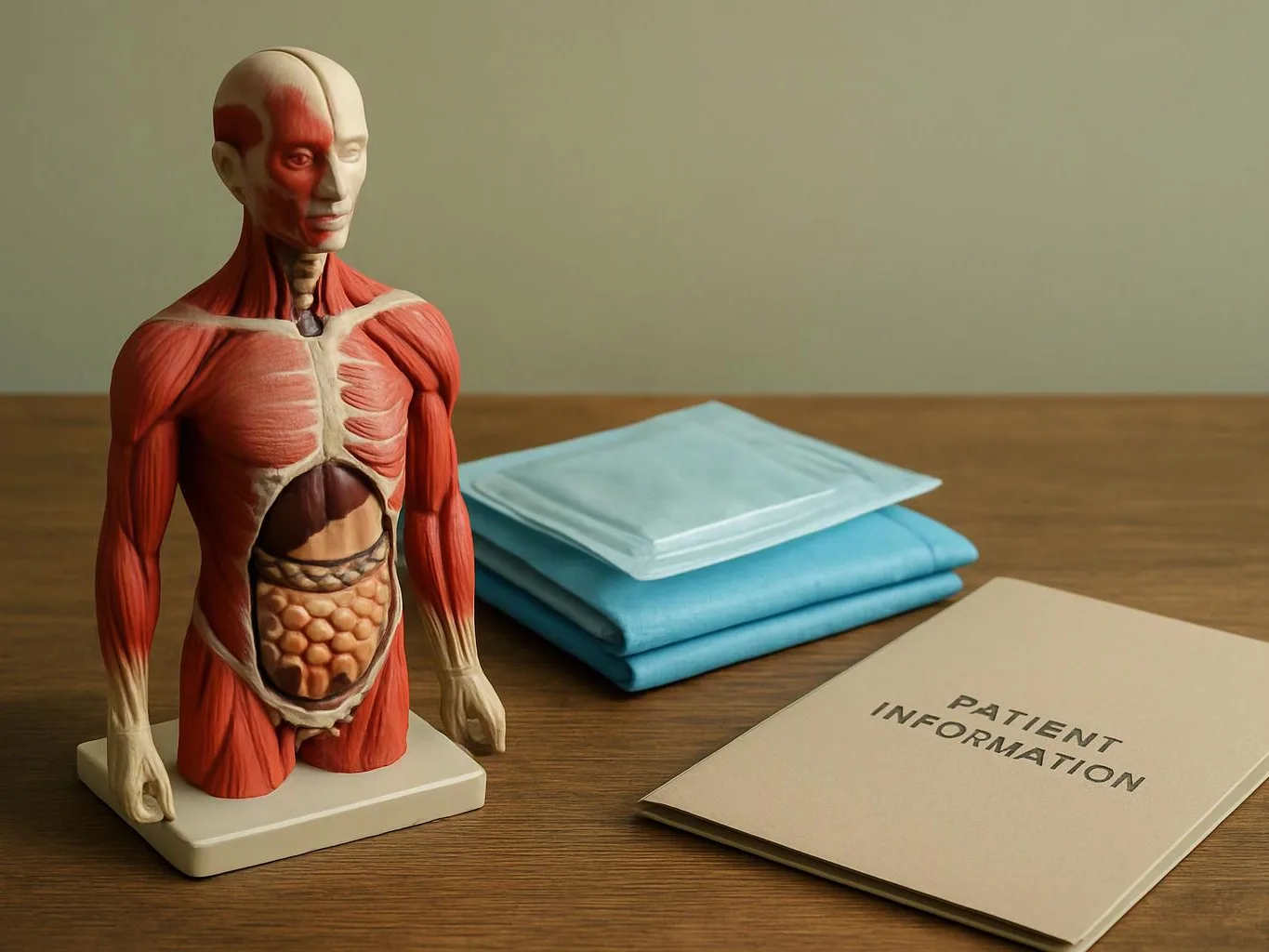
Imaging referrals connect a physical exam and symptom history with a diagnostic study. The request may support assessment of the spine, discs, nerves, or other areas affected by a collision. A scan does not replace an injury evaluation. Our team reviews the clinical picture first, then uses imaging findings to help guide treatment choices. Results may support interventional care, rehabilitation planning, or further review. Risks often begin with a mismatch between the symptom pattern and the requested study. We look for gaps such as symptoms that are not recorded, an unclear body area, or findings that do not match the reported injury. Detailed records help us catch those issues before they affect the care plan.
We record the crash history, pain location, numbness, weakness, headaches, and movement limits so the request reflects the patient’s actual concerns.
We compare the physical findings with the affected body area and decide whether diagnostic imaging could answer an open clinical question.
We consider the report and available images with the examination findings, then explain how the information may affect treatment planning.
We use the combined record to discuss options such as rehabilitation, injections, nerve blocks, or continued evaluation when clinically appropriate.
Bring information that helps us connect the scan request with the collision and your current symptoms.
We explain why an imaging request is being considered and review the findings in understandable language.
We use clinical findings and diagnostic reports to discuss evidence-based care and alternatives before treatment.
We coordinate diagnostic information with physician, rehabilitation, and other services when those connections support injury care.

I had a great experience at premier injury specialist after my car accident. From the moment I walked in, Tracy, the patient coordinator, made sure I understood the process and felt comfortable. Tony, the medical assistant, did an amazing job explaining the procedure in detail, which eased my nerves. Dr. Vyas thoroughly reviewed my MRI and took the time to explain my condition and treatment options. He was very honest and upfront about the procedure, making sure I truly needed the injection before administering it. His transparency and genuine care for my well-being reassured me that this office isn’t just in it for the money — they are truly invested in their patients’ health. I highly recommend this office to anyone in need of pain management. They provide exceptional care with professionalism and integrity.

Tracey was great at explaining things and next steps and what to expect. Tony was great as extremely helpful and calming he is Dr.Vyas right hand and letting me know what I needed to do.

Had a great experience. They fully explained what was going on with me and made me feel very comfortable. I will be recommending Premier Injury Specialist to friends and family
Your accident details, symptom list, prior medical records, and imaging reports help us assess the request. Bring these items:
We use the information to build a more complete injury record.
Are pain, numbness, or headaches continuing after your accident? Premier Injury Specialists can discuss an evaluation, imaging needs, and the records that support your next step in McDonough.
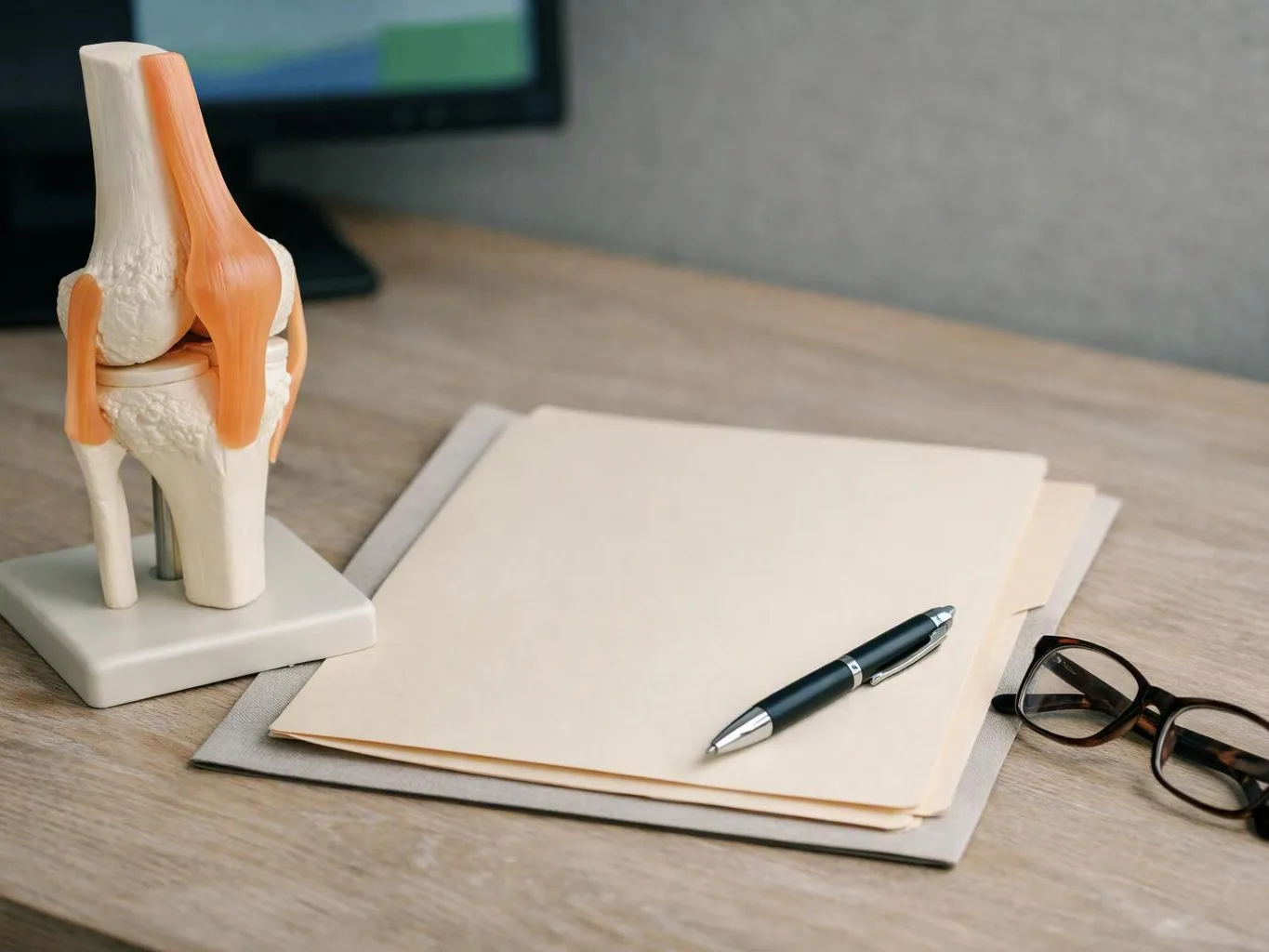
Neck pain can continue after a collision, even when the first symptoms seemed mild. The key issue is whether the pain pattern matches whiplash, nerve irritation, or another injury that needs more detail. Bring prior records and describe changes in movement, headaches, or numbness. We’ll review the findings and discuss whether an imaging request fits the evaluation.
Back pain that reaches the leg can raise questions about sciatica, radiculopathy, or a herniated disc. Imaging referrals work best when the affected side, pain path, weakness, and movement limits are recorded clearly. Patients in McDonough can schedule an evaluation with our team, and we’ll connect the exam findings with the next care decision.
A report can contain terms that are hard to connect with daily pain. The important step is comparing those findings with the injury history and physical examination, since a scan alone doesn’t set the treatment plan. We review the available information, explain what it may mean, and document a plan for moving forward.