Why is accurate medical documentation important after a crash?
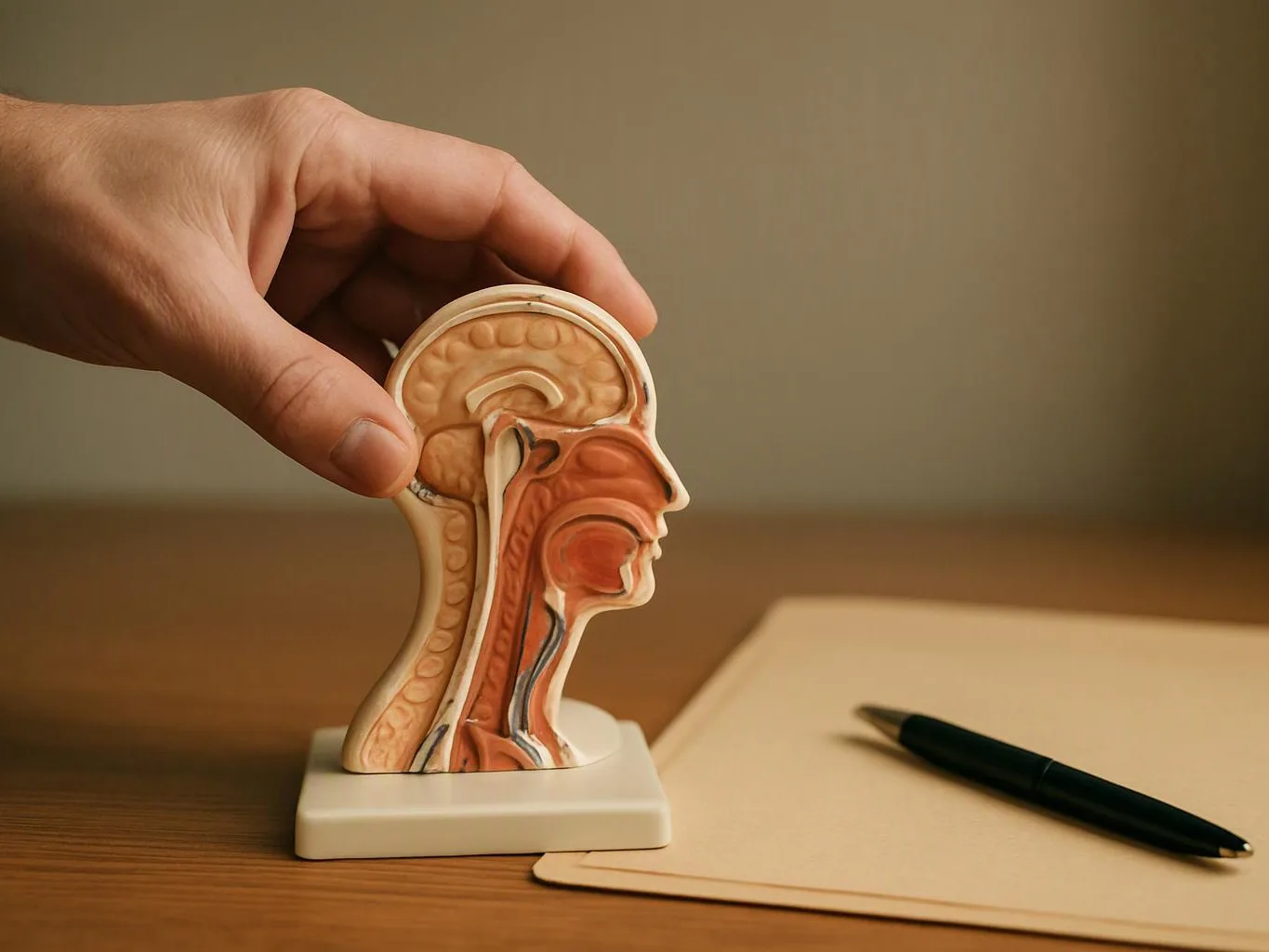
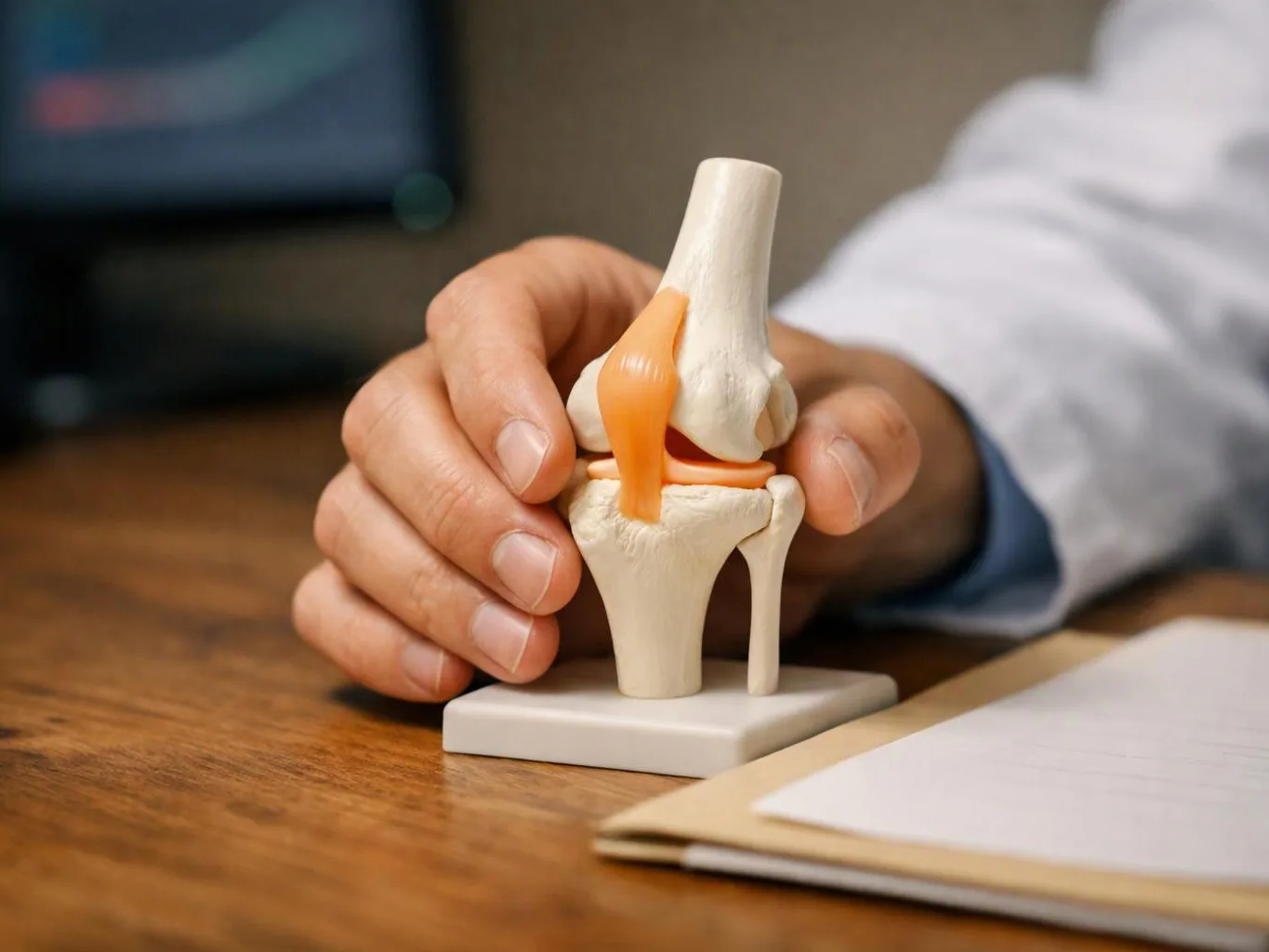
Treatment planning depends on accurate medical documentation because the record connects symptoms, exam findings, diagnoses, and care. Premier Injury Specialists records collision-related conditions such as whiplash, disc pain, sciatica, and radiculopathy. Detailed notes can also help attorneys understand the clinical picture and help patients follow a plan that matches their findings.
What records should I bring to the first evaluation for Medical Documentation?
Accident details, prior medical records, medication information, and work restrictions help us understand the injury. Bring imaging reports or visit notes if you have them, but you can still request an evaluation without every document. Our team will review the available information and identify what the clinical record needs next.
Do I need an MRI or a referral before seeing your team?
An MRI or referral is not required in most cases to request an evaluation. The initial assessment considers the accident history, symptoms, physical findings, and records already available. Imaging or another referral may be considered when the clinical picture calls for it, and our team will explain that decision.
Which treatments may appear in the medical record?
Treatment records may cover medication review, follow-up care, and interventional procedures that fit the patient's condition. These may include epidural steroid injections, facet joint injections, medial branch blocks, occipital nerve blocks, radiofrequency ablation, or joint injections. The care plan depends on the examination, diagnosis, symptoms, and response to prior treatment.
How does documentation support an attorney's review?
Detailed clinical records give attorneys the accident history, diagnoses, examination findings, treatment decisions, and follow-up information. Our practice can coordinate documentation directly with attorneys who refer clients. The record supports legal review by describing the medical facts without replacing legal advice or promising a claim outcome.
When should ongoing pain receive another evaluation?
Ongoing pain deserves another evaluation when symptoms persist, worsen, spread, or limit work and daily movement. New weakness, increasing numbness, or severe changes need prompt medical attention. Patients in Conley can request focused collision-injury care, and our team will review the current symptoms and prior records before discussing the next step.
What changes the cost of a documentation request?
The evaluation type, records reviewed, treatment needs, and billing arrangement affect the cost. A request tied only to record review differs from one that includes an injury evaluation or procedure documentation. Free Consultations provide a way to discuss the request, and MedPay or an attorney lien may apply to treatment billing.