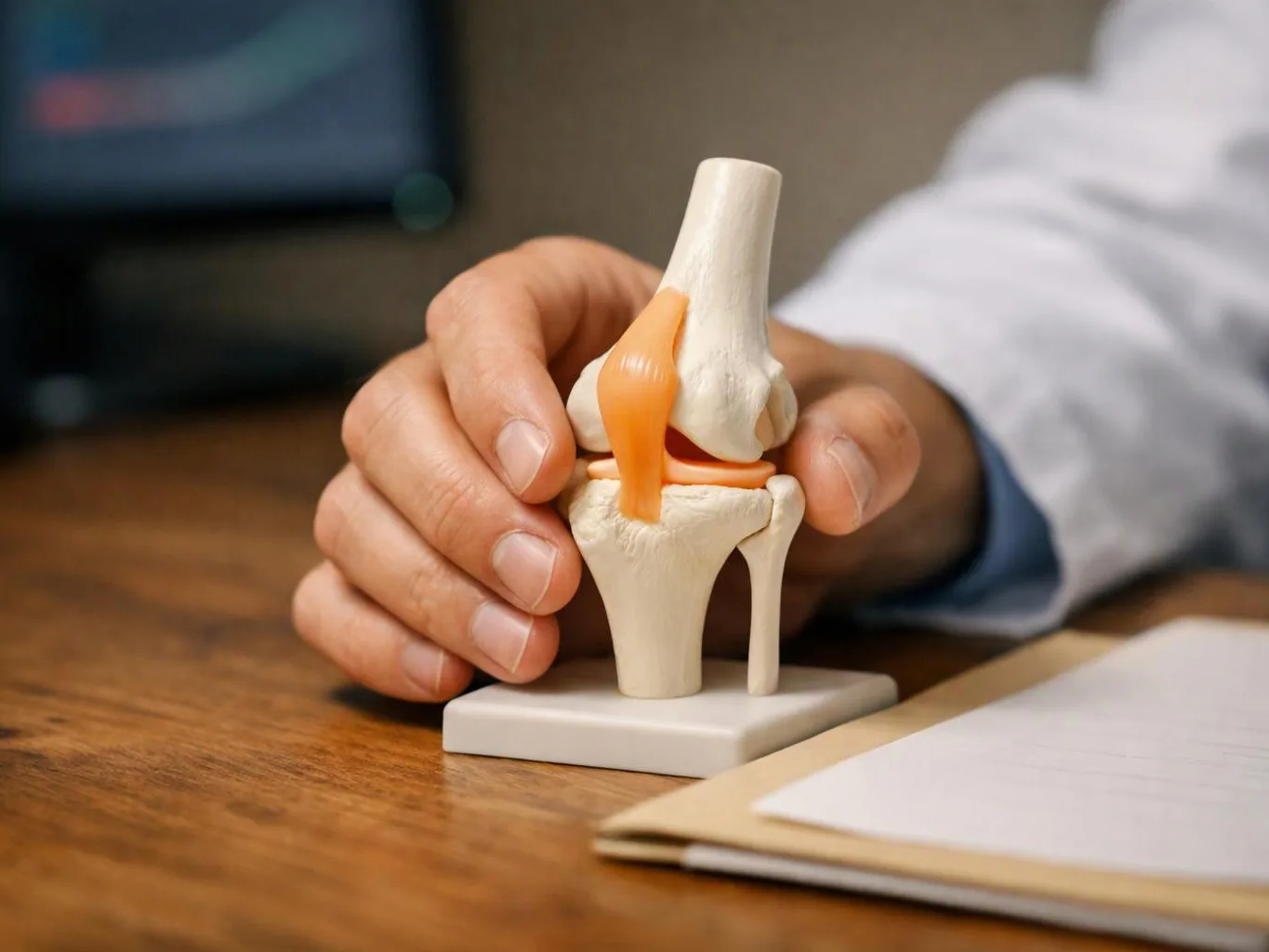
Before confirming the work plan, which conditions can a spine injury evaluation identify prior to on-site work?
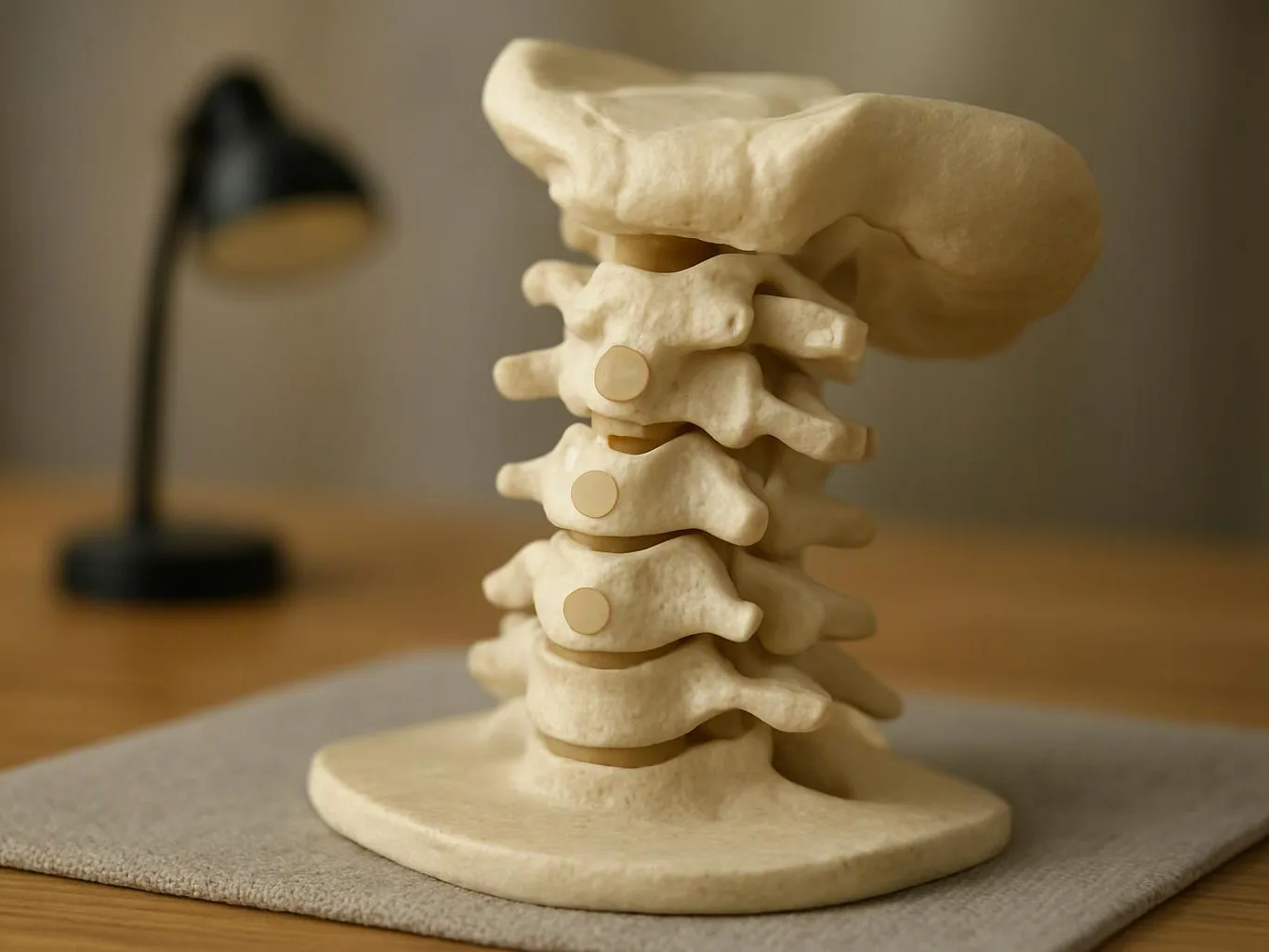
Ligament damage, disc herniation, spinal fracture, and nerve compression are conditions a spine injury evaluation can help identify. The exam also considers whiplash, sciatica, radiculopathy, headaches, and soft-tissue injury. Findings do not guarantee one diagnosis or outcome. Our clinicians explain what the exam supports and whether more care, record review, or interventional treatment should be discussed.
Do I need a referral before scheduling an assessment?
A referral often isn’t required for an auto accident injury evaluation with our practice. Patients can request an appointment directly and provide accident details, current symptoms, and available records. An attorney may also refer a client and coordinate documentation with us. The intake review helps determine which records and clinical concerns should be addressed first.
What changes the cost of care after the assessment?
The services included in the assessment and any later procedure determine the cost of care. Record review, clinical evaluation, and treatment planning may differ from an appointment that includes an interventional procedure. We discuss the planned services before treatment. Free consultations are available, and MedPay or an attorney lien may be used for treatment in appropriate cases.
How does a pain management physician differ from an orthopedic doctor?
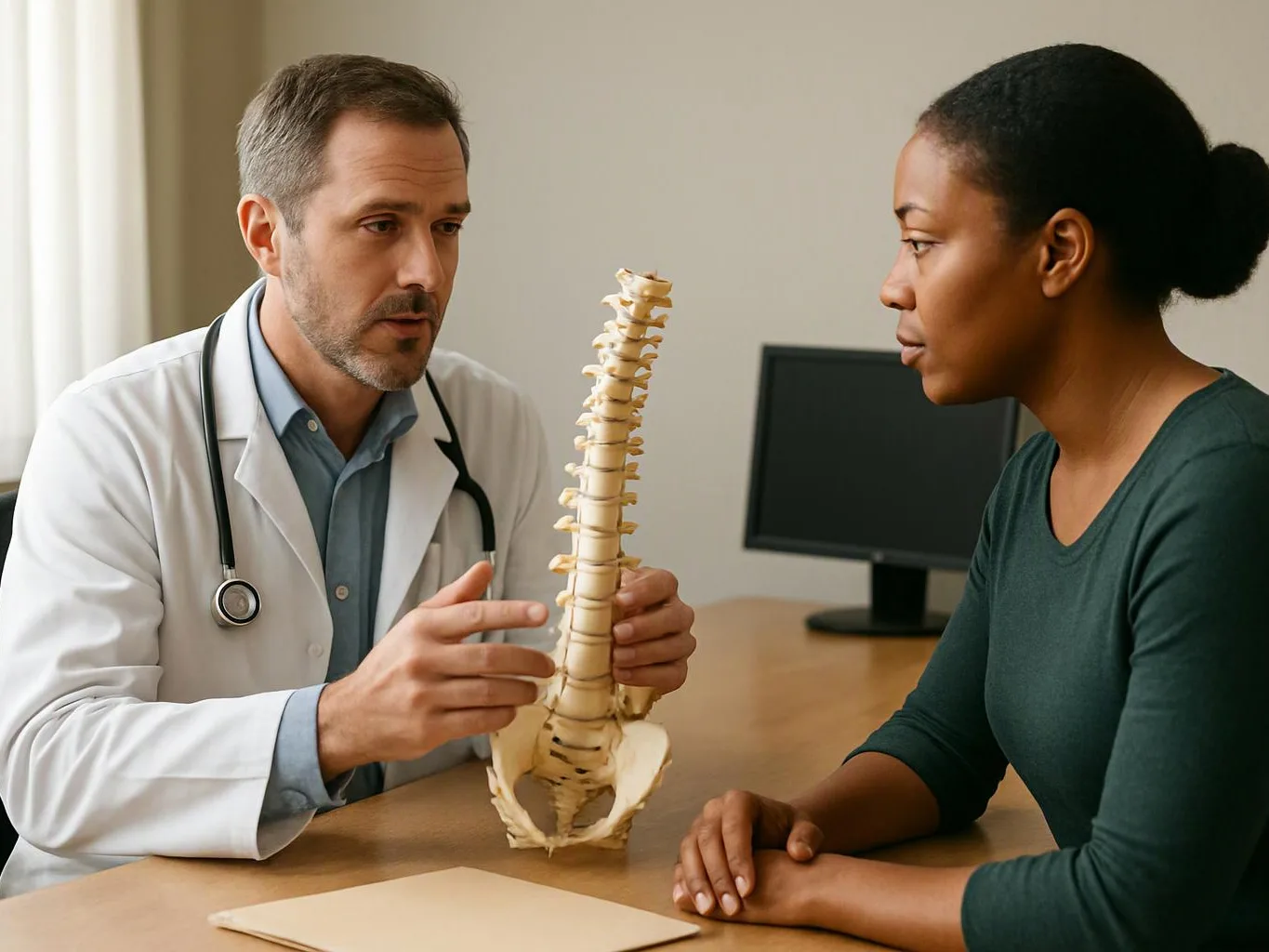
A pain management physician focuses on diagnosing and treating pain, including medication plans and interventional procedures. An orthopedic doctor focuses on the bones, joints, muscles, and surgical or nonsurgical treatment of the musculoskeletal system. Our team evaluates collision-related spine pain and discusses options such as epidural steroid injections, facet joint injections, and nerve blocks when appropriate.
When should I seek care for pain after a crash?
Persistent pain, numbness, weakness, spreading pain, or reduced movement warrants medical evaluation after a crash. Symptoms can involve the neck, back, discs, or nerves, even when the first soreness seems mild. Jackson patients can request focused collision-injury care through our practice. Seek emergency medical attention for severe or rapidly worsening symptoms.
What records should I bring to the appointment?
Medical records, imaging reports, medication details, and accident information help our clinicians assess the injury. Useful documents include emergency department notes, primary care records, prior treatment notes, and any report you received after the collision. Bring what you have. Our team can review the available information and explain which details affect the care plan.
Who provides this type of spine injury assessment?
Premier Injury Specialists provides spine injury assessments through board-certified pain management physicians and a certified physician assistant. Our practice focuses exclusively on motor vehicle collision injuries. We evaluate neck and back pain, disc symptoms, nerve complaints, and other crash-related injuries, then prepare detailed medical documentation and discuss suitable treatment options.